These vegan and gluten-free savoury zucchini pancakes are so easy to prepare. They're made with gram flour, grated zucchini and herbs and spices.


These vegan and gluten-free savoury zucchini pancakes are so easy to prepare. They're made with gram flour, grated zucchini and herbs and spices.
A cup of Karak Chai is just what you need in the morning. Strong, spiced and mildly sweet, this easy Karak chai recipe takes less than 10 minutes to make. Make this strong tea using loose black tea, sugar, whole spices and milk.

The word Karak or Kadak means ‘strong’ and Chai means ‘tea’. This aromatic tea is also known as Chai Karak, kadak chai or Qatari Tea. It is a hugely popular drink in India and Pakistan, but I have learned that it is enjoyed in Arab countries such as Qatar, United Arab Emirates, Saudi Arabia and the Middle East.
Karak Chai is prepared with strong black tea, evaporated milk or regular milk, cardamom, ginger and sugar. It differs from an authentic Indian Masala Chai (traditional Indian tea) by using fewer spices.
Indian chai is typically flavoured with different types of spices: cinnamon, black pepper, cardamom, ginger and clove such as Indian ginger chai and cardamom chai. On special occasions, you'll find milk tea with saffron also served.
Karak Tea is thick and caramel coloured, and has a stronger flavour compared with a regular cup of tea you get in the western world.
Be sure to check out the full recipe and exact ingredient list below in the recipe card.
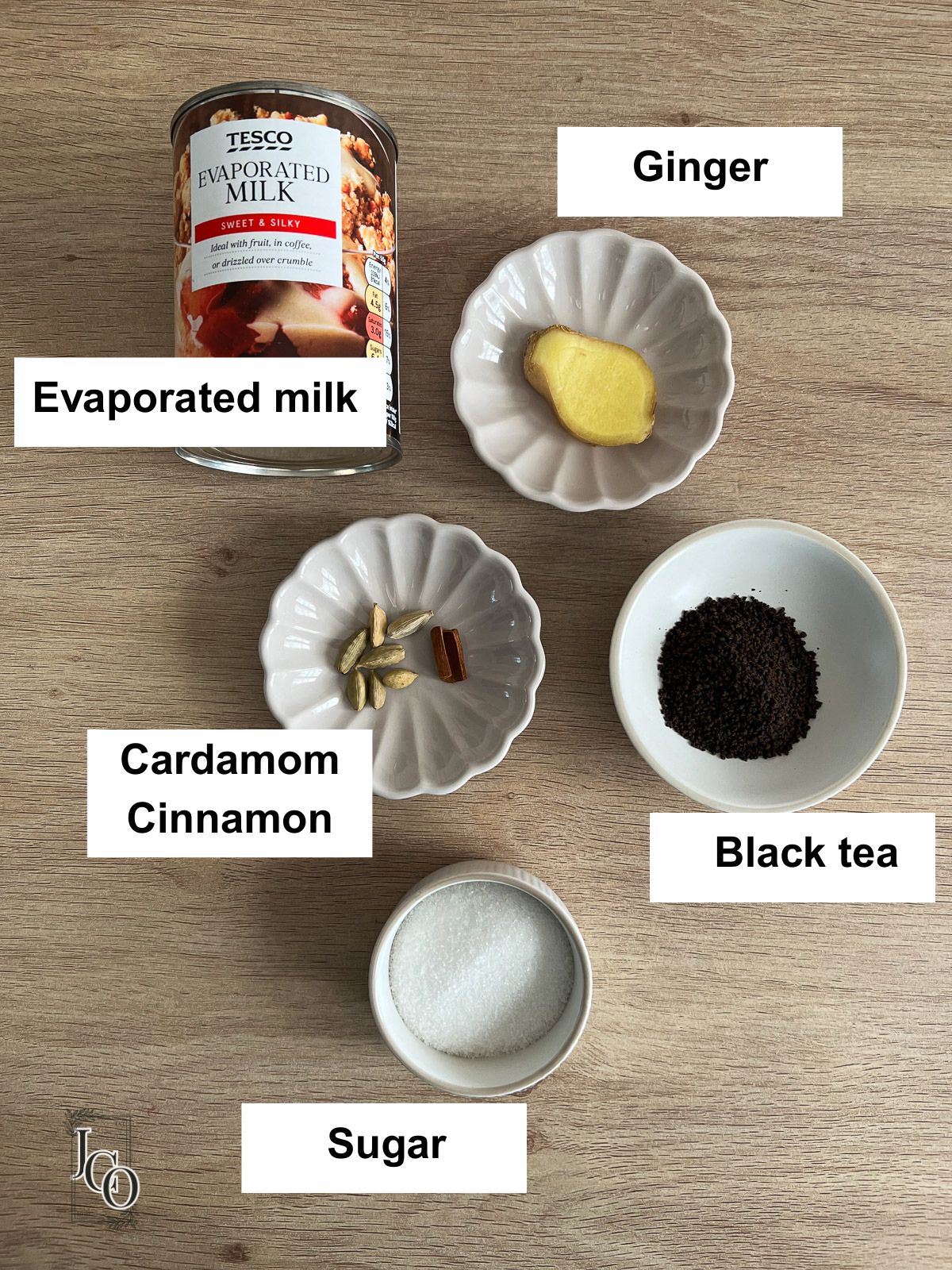
Tea – a good tea is the main ingredient for delicious karak tea. The original karak tea, is made with black tea leaves. You can use strong black loose leaf such as PG TIPS or the Indian strong tea WAGH BAKRI which is commonly used to make Indian Masala Tea.
Milk – Use fresh milk or evaporated milk. I like to use evaporated milk as it is thick and slightly sweet. For a milky tea, you can add more milk to the recipe.
Ginger – Fresh ginger is a key ingredient in karak chai. You can use ginger powder also but fresh is best!
Aromatic spices – the chai spices used here are cardamom and cinnamon. I have used crushed green cardamom pod and cinnamon stick.
Sugar – use normal granulated sugar or brown sugar. Optionally, use condensed milk which has a high sugar content and reduce the amount of milk added.
Water - regulat tap water.
For a vegan version, swap for a dairy free or plant based alternatives. Oat milk is great as it can be boiled without splitting.
1. First, boil water in a kettle or in a saucepan over the stove. Use 1 cup of water for each person so increase the cups of water depending on your guests. Meanwhile, you can use a pestle and mortar to crush the spices or bash with a rolling pin.
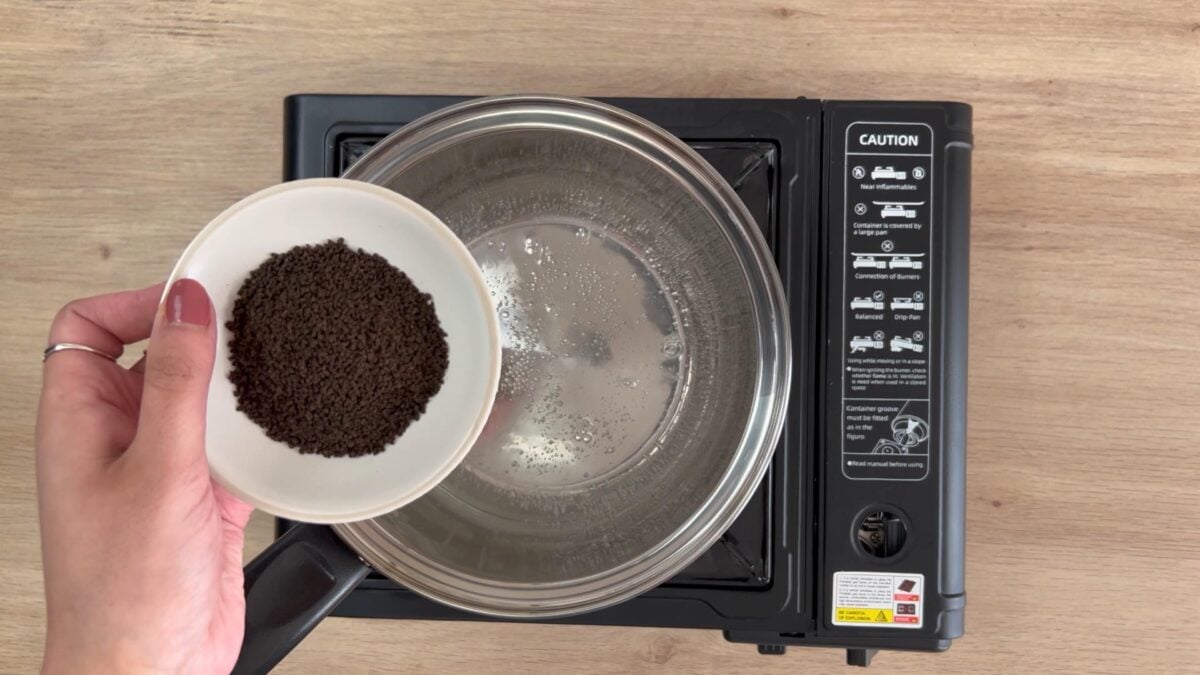
2. Add strong loose black tea (1.5 teaspoon for a cup), crushed ginger, cardamom pods and cinnamon bark.
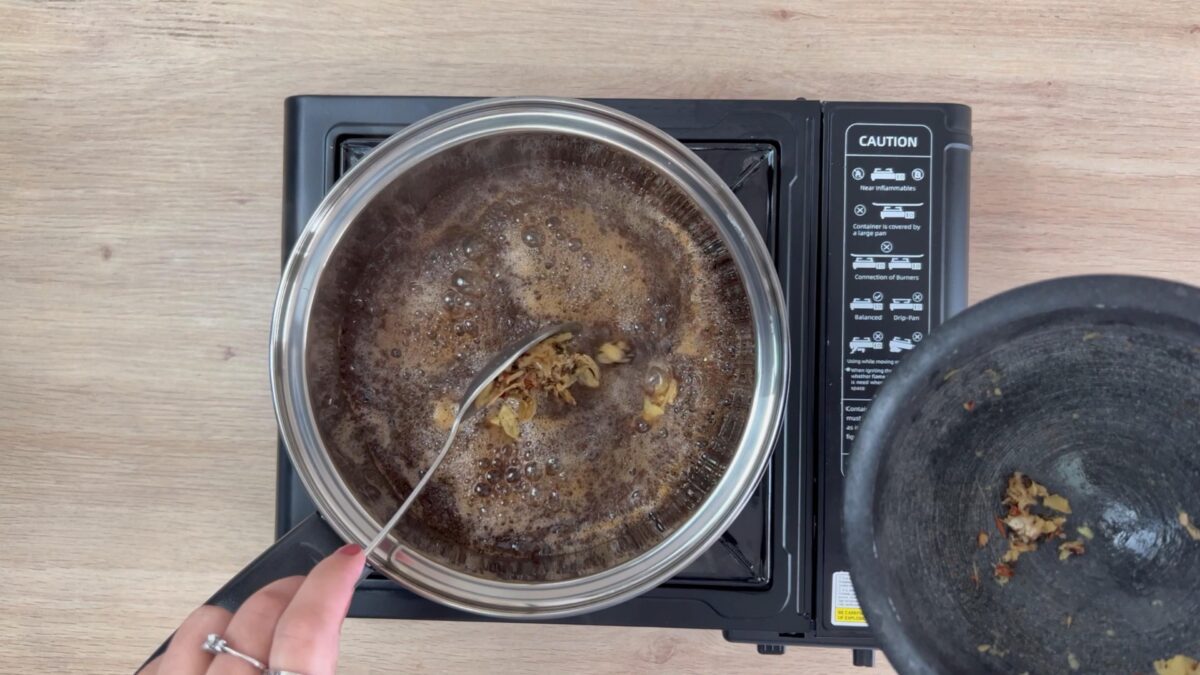
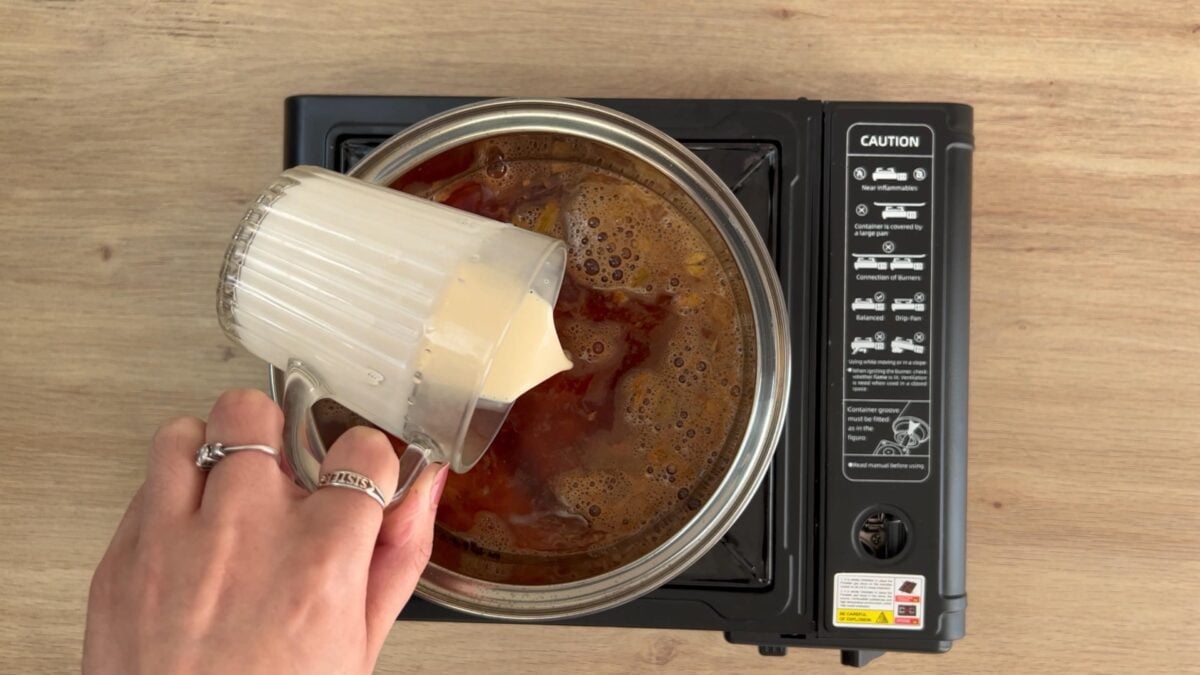
3. Bring the mixture to the boil on medium-high heat, add milk and let it boil for at least five minutes (make sure it doesn’t boil over the pan) until you see a beautiful caramel colour and the tea thickens. Switch to low heat if the tea keeps boiling over.


4. Add sugar (if using) and once again bring it to boil.
5. Using a tea strainer, pour tea into cups and enjoy.
Karak Tea can be served for breakfast, at brunch or as afternoon tea.
It is best enjoyed the Indian way with Indian snacks such as these air fryer frozen samosa or pakora.
Tea and biscuits are also the perfect marriage enjoyed this way in both South Asia and all regions of the world. Whether it’s a Eggless Linzer Cookies or an Indian variety, such as Nankhatai, Coconut and Cardamom Wholewheat Cookies you need to serve the tea with biscuits.
In our house, we often serve handvo, Gujarati thepla, masala lachha paratha, masala bhakhri or bajri na vada as well.
Store leftovers in an airtight container in the fridge and reheat on the stove the next day.

As always if you make this recipe, be sure to leave me a comment, rate this recipe and tag me on Instagram @jcookingodyssey or #jcookingodyssey. I love seeing all your photos of my recipe recreations!
Don’t forget to follow me on social media using the buttons below – I can't wait to see you all there!

PLEASE NOTE: Nutritional values are estimated by a computer and may vary based on ingredients and portion sizes. For personalised dietary advice, please consult a qualified healthcare professional.
Share on Facebook Pin This RecipeNote – This recipe has been updated from our recipe archives with new images and content, but the recipe remains the same. First published in May 2019.
A beautifully moist and delicate eggless pistachio sponge is topped with filo baklava roses to make this Baklava Cake. It's finished with a drizzle of rose scented honey syrup and is sure to impress.

Kuttu ki Puri is a deep fried Indian bread made with buckwheat flour and can be eaten during Hindu fasts or vrat. Vegan & gluten-free.

Kuttu ki poori are essentially the gluten-free version of regular poori. They have a nuttier taste and are slightly crisp in comparison.
My Mum adds potato, peanut powder and green chillies for extra flavour.
During fasts, flours such as rajgira, singhare and moraiyo flour are used to make all types of vrat recipes such as rajgira halwa, rajgira farali puri and moraiyo khichdi.
Be sure to check out the full recipe and exact ingredient list below in the recipe card.
Buckwheat flour - aka kuttu ka atta. You can find it in South Asian grocery stores or it'll be available online.
Boiled potatoes - boiled potatoes help with binding the flour.
Roasted peanut powder - add texture and flavour. Skip for a nut-free vrecipe.
Green chilli paste
Rock salt sendha namak
Oil - to deep fry
To make fluffy and well risen kutti ki puri that retain their softness for longer, you need to follow these few handy tips.
Serve kuttu puri alongside other vrat recipes such as farali dum aloo or farali potatoes.
These kuttu ki puri are lovely with a creamy vrat paneer curry when you want a more filling farali meal.
Kuttu ki puri is best eaten immediately after preparing but they can be kept in an airtight container at room temperature for up to a day. Eat cold or reheat in the microwave or a few seconds.

As always if you make this recipe, be sure to leave me a comment, rate this recipe and tag me on Instagram @jcookingodyssey or #jcookingodyssey. I love seeing all your photos of my recipe recreations!
Don’t forget to follow me on social media using the buttons below – I can't wait to see you all there!

PLEASE NOTE: Nutritional values are estimated by a computer and may vary based on ingredients and portion sizes. For personalised dietary advice, please consult a qualified healthcare professional.
Share on Facebook Pin This RecipeNote – This recipe has been updated from our recipe archives with new images and content, but the recipe remains the same. First published in July 2016.
In Farali Dum Aloo, baby potatoes are simmered in a spiced tomato gravy. This dish is prepared without onion and garlic so can be eaten on Hindu fasting days.

This Farali Potato Curry recipe is prepared with potatoes cooked in a smooth peanut and tomato sauce. The curry isn't particularly spicy but is flavoured with fresh green chillies and ginger. In our house, during fasting, this recipe is a must for lunch. It is so simple to make and doesn't require many ingredients.

Paneer parathas are Indian flatbreads made from whole wheat flour, stuffed with a spiced mixture of crumbled paneer (Indian cottage cheese), onions and green chillies. The filling is rolled into the dough and cooked on a hot griddle until golden brown and crispy.

Palak Paneer is a classic North Indian curry prepared with cubes of Indian cottage cheese simmered in a spiced spinach sauce. I use homemade paneer.

This no bake strawberry cheesecake recipe is the perfect dessert for a hot summer day. The no-egg, no-bake cheesecake filling requires just two ingredients - mascarpone cheese and sugar! This delicious dessert is so easy and takes just 10 minutes to prepare!

Gujarati Puran Poli or Vedmi is a traditional Indian flatbread stuffed with lentils and jaggery. It's served on special occasions.

Red Kidney Bean and Coconut Milk Curry, also known as maharage ya nazi, is a delicious recipe of East African and Indian cuisines. Buttery soft red kidney beans are simmered in a spiced tomato and coconut milk gravy.

You can prepare perfect homemade paneer, a fresh Indian cheese, with just whole milk and vinegar.

Dahi Vada (Dahi Bhalla) is a popular Indian dish. Deep-fried lentil fritters are doused in a sweetened yogurt, topped with chutneys and finished with a sprinkle of masala.

Farali Kadhi is an ideal recipe to prepare on a fasting day such as Mahashivratri, Navratri or Ekadashi. It is an easy and straightforward recipe made with rajgira flour.

Moraiyo khichdi or samo khichdi is an Indian fasting recipe made with gluten-free barnyard millet. Perfect in a thali with other vrat/fasting recipes.

Methi Muthiya, or methi na muthiya, is a Gujarati snack food most commonly enjoyed at tea time or as a light lunch.

Moong dal chilla or pudla are savoury pancakes made all around India. They're perfect for breakfast or quick lunches.

Dahi Varo Oro or Dahi Baingan Bharta, is a traditional winter dish from Kathiawad, Gujarat. It is made using smoky roasted eggplant, yogurt, lasan ni chutney and fresh herbs.

Ringan nu dahiwaru bhartu is an authentic dish and is especially popular amongst the farming community during the winter season. It can be a part of a Gujarati thali menu and Kathiyawadi thali menu.
Earthy smoked aubergine puree defines this dish and blends beautifully with the spices, herbs and yogurt.
Fresh coriander, garlic and peanut oil add a lovely flavour to oro and yogurt tones down the heat from the fresh green chilli and garlic chutney.
If you're already a fan of baingan bhartha or baba ghanoush, you need to give this traditional Gujarati dish a try!
Oro recipe seems similar to Baingan Bhartha in the first instance but but I would say taste-wise they are quite different. Both are prepared with burnt aubergine as the base, but in baingan bharta the aubergine is further cooked with an onion, garlic, tomato masala. In oro, the charred aubergine is simply mixed in with the other ingredients and no further cooking is involved.
Oro is served at room temperature whereas bhartu is served hot.
Other Gujarati aubergine shaak you might like to try are: Ringan Valor Nu Shaak, Ringan Bateta Nu Shaak or Ringan Palita.
Be sure to check out the full recipe and ingredient list below.
Aubergine/Eggplant - cooked on an open flame until the skin is charred and the flesh is tender.
Yogurt (dahi) - any natural plain yogurt. During the summer months, I often use homemade Indian dahi.
Garlic Chutney - I use my homemade Gujarati lasan ni chutney.
Green garlic - known as lilu lasan or spring garlic.
Green Chillies
Peanut Oil
Coriander/Cilantro
Salt
Dahi varo oro is best served with hot pearl millet flatbread (Bajri no Rotlo), Mag Nu Shaak and Lasaniya Gajar as a main meal.
It can be served as starter dip with crackers or toasted pitta bread too.
Store dahi varo oro in an airtight container and keep refrigerated for up to 3 days.
I do not recommend freezing this recipe as the aubergine will loose texture upon defrosting.

As always if you make this recipe, be sure to leave me a comment, rate this recipe and tag me on Instagram @jcookingodyssey or #jcookingodyssey. I love seeing all your photos of my recipe recreations!
Don’t forget to follow me on social media using the buttons below – I can't wait to see you all there!

PLEASE NOTE: Nutritional values are estimated by a computer and may vary based on ingredients and portion sizes. For personalised dietary advice, please consult a qualified healthcare professional.
Share on Facebook Pin This RecipeNote – This recipe has been updated from our recipe archives with new images and content, but the recipe remains the same. First published in July 2016.
Bajra roti, is a gluten-free Indian flatbread made simply with pearl millet flour and water. It's the perfect rustic side to robust Indian curries.

Baingan Bharta is a flavour-packed Indian curry made with smoky roasted aubergine, that is mashed and cooked in a spiced onion, tomato masala.

Dal Dhokli is a homely Gujarati dish that is warm and comforting. This one pot meal is made by simmering wheat flour dough in a sweet and sour Gujarati dal.

Gujarati sabudana khichdi is a popular dish prepared with soaked tapioca pearls, potatoes, peanuts and basic spices. This authentic recipe is great for Hindu fasting (vrat). Get the perfect non-sticky sabudana khichdi with my tips.
Best enjoyed with karak chai or plain yogurt.

Gujarati Dal is a staple in everyday Gujarati cooking and is usually served as part of a Gujarati thali. This Gujarati Toor dal is made with authentic flavours and tastes like the version found in weddings.

This one-pot Moroccan Vegetable Stew with chickpeas is brimming with warm Moroccan spices. My version is packed with hearty butternut squash, carrots, green beans, red pepper, chickpeas, and sweet dried apricots, all simmered in a rich tomato base with warming spices like cinnamon, cumin, and cardamom.
Vegan and gluten-free.

Prepare the most addictive Falafel Pita Sandwich that's loaded with crispy falafel, crunchy salad, hummus and extra sauce. Perfect for a filling vegetarian or vegan meal.

A staple of Middle Eastern cooking, amba sauce is a tangy, mildly spicy sauce made with fresh mangoes. Add a burst of flavour to falafel sandwiches, grilled vegetables and more.
Naturally vegan and gluten-free.

Falafel is one of the most popular street foods in the Middle East and one of my most favourite snacks! Traditionally made with ground chickpeas or fava beans, fresh herbs, and spices, falafel is a versatile and delicious addition to pita pockets, salads, or as a main dish with tahini sauce.

This single serving eggless mug cake is made with only 3 ingredients and is irresistibly moist and fluffy. It's the perfect treat after meals and you can satisfy your sweet tooth within minutes!

Rajkot Green Chutney is a delicious Indian green chutney recipe made with 4 simple ingredients such as peanuts and fresh green chillies.

A warm, spiced cup of Indian ginger tea is the perfect way to start the day or enjoy in the afternoon. Known as Adrak Wali Chai, this flavourful drink combines black tea leaves, fresh ginger, creamy milk and sugar.

Guava Chutney, also known as jamfal chutney or amrood ki chutney, is a sweet, spicy and tart Indian chutney made with raw guava, coriander, green chillies and lemon juice.
It's quick, no-cook, gluten-free and naturally vegan.

Navratan Korma, or nine-gem curry, is a creamy Indian vegetable curry recipe. A variety of vegetables, fruit and nuts are cooked in a rich and creamy gravy.

Tofu Makhani, also known as Butter Tofu, is a delicious plant-based alternative to the popular Paneer Makhani.

Cabbage Paratha is a delicious Indian flatbread made with finely shredded cabbage and a blend of basic spices. My version is a cabbage paratha without stuffing. Rather than preparing the filling separately, I incorporate flour, vegetables, and spices directly into the dough.

Baingan Masala, or eggplant masala, is an Indian dish made with tender eggplant cooked in a North Indian style onion and garlic gravy.

Vaal nu Shaak, simply known as Vaal, is a delicious Gujarati shaak made with lima beans. This recipe is prepared with aromatic whole spices, tamarind and jaggery and is often served at Gujarati weddings.

Makhani sauce is a creamy Indian base sauce prepared with onion, garlic, tomatoes, aromatic spices and lots of butter. It's the perfect base sauce for makhani and butter masala curries.

This Mixed Dal or Mix Dal Fry is a delicious Indian recipe prepared with a mix of lentils, onion, garlic, tomato and spices. The tadka give this dish a delicious dhaba style dal flavour.

Cardamom Chai or Elaichi Chai is a refreshing Indian tea made with black tea, milk, freshly crushed cardamom and sugar. It uses only cardamom to delicately fragrance the creamy tea.

Pinni, also known as atte ki pinni is an Indian sweet made with atta, edible gum, ghee, nuts and seeds. It is most commonly associated with the winter season. Seriously, I look forward to it all year!

Besan roti, also known as chickpea flour roti, is a flatbread from Indian cuisine. It is made primarily from besan flour (or gram flour) and is a staple in many households, especially in northern India.

Mixed Seeds Chikki is an Indian style bar made with mixed seeds. It's sweetened with jaggery and you can optionally add cardamom and nutmeg for extra flavour.
