
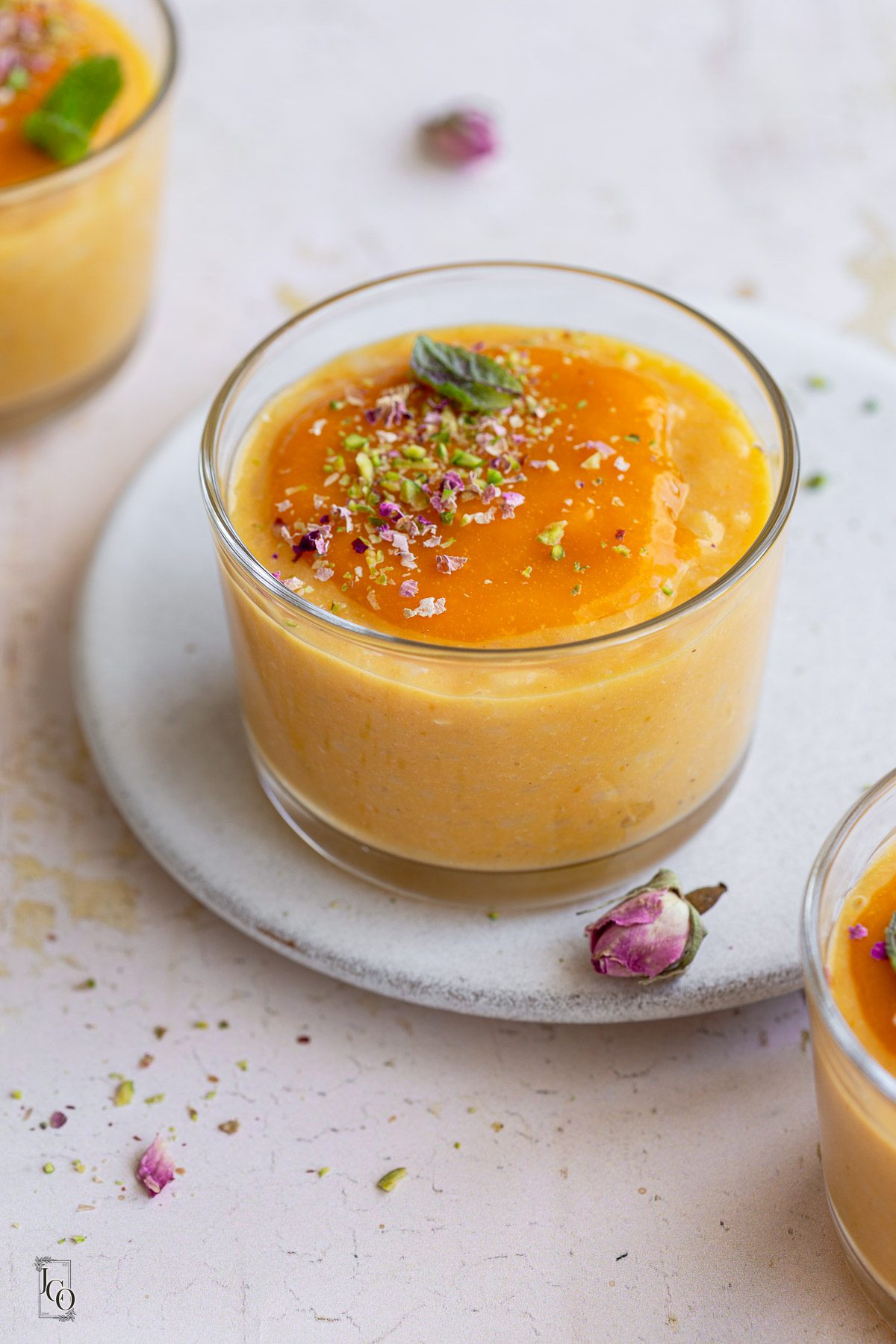
Sooji no Siro or Suji ka Halwa is a simple everyday Indian dessert made with semolina, milk, sugar and nuts. This siro is often made for prashad, especially satyanarayan katha, but can also be enjoyed anytime. Every family will have their own recipe for this halwa which is passed down generations.

Suji ka Halwa in English is called semolina pudding however it is far from the semolina pudding I was served in school dinners!
This halwa is fluffy and has wonderful delicate flavours. It is made from coarse white semolina which is roasted with desi ghee until fragrant. Milk, sugar and warm flavourings are added for that extra special touch.
I call this particular recipe Gujarati Sooji no Siro because of the ingredients used that differ from North Indian Sheera.
Some halwa variations that we love are:
Gajar Halwa - A delicious winter Indian dessert made from grated carrots, milk and sugar. You can use red or orange carrots for this recipe.
Dudhi Halwa - A perfect summer sweet dish prepared using grated bottle gourd, milk and sugar, also known as Lauki Ka Halwa.
Rajgira Halwa - This recipe uses amaranth flour, great for fasting, it is easy and quick recipe.
Moong Dal Halwa - One of the most popular dessert made from moong dal and it is perfect for Diwali, Holi or Raksha Bandhan.
Habshi Halwa - Very popular north Indian delicacy made from sprouted wheat, milk, sugar and spices.
Badam Halwa - Personally my favourite, comprise ground almonds, milk and sugar.
Shakkaria Siro - Sweet potato halwa ideal for fasting, so easy and delicious.
Aate ka Halwa with Mawa - Delicious Indian dessert made with whole wheat flour, sugar, ghee and for extra richness mawa added to this amazing North Indian style sweet.
Irmik Helvasi - Turkish Semolina Halva is a traditional semolina dessert enjoyed in Turkey. It is made with only 5 ingredients.
Pistachio Halwa - Semolina halwa with the addition of ground pistachio nuts.

Difference between North Indian Sheera and Gujarati/Maharastrian Siro
I have noticed differences between the ingredients, cooking technique, taste and appearance of North Indian sheera and Gujarati Siro.
In the North Indian halwa I've tried in Gurdwaras, water is added to the sheera. It has a stickier texture and is brown in colour.
Gujarati siro is white/cream in colour and fluffy with separate grains and it is made with milk. Though the siro is white, is it still well roasted and cooked properly. The halwa is cooked further after adding the milk. This style of siro is prepared for Satyanarayan Katha or Puja.
Shiro for Satyanarayan Katha Prasad + Mahaprasad
This siro is made particularly for when satyanarayan katha is held. In the katha, the recipe for the siro is even given. It is mainly served with fruit and panchamrit - a holy drink made with 5 ingredients.
The siro for prashad follows the same recipe for sooji no siro except for two additions.
Prashad siro is always made with milk, and not with water. Banana is added to the siro if serving for Satyarayan katha. It is believe that Lord Vishnu love banana, hence banana leaves also used for katha/pooja purpose too. Tulsi or Indian Basil is added as a garnish for the siro.
Also, the measurements of the ingredients are measured as 1.25 of a cup. The ratio remains the same.

Ingredients
We use the ratio 1:1:1:3 for semolina, ghee, sugar and milk. This ratio will make sure that the siro is not dry, will not be sticky and not stick in your mouth. It will be light, fluffy and spongy.
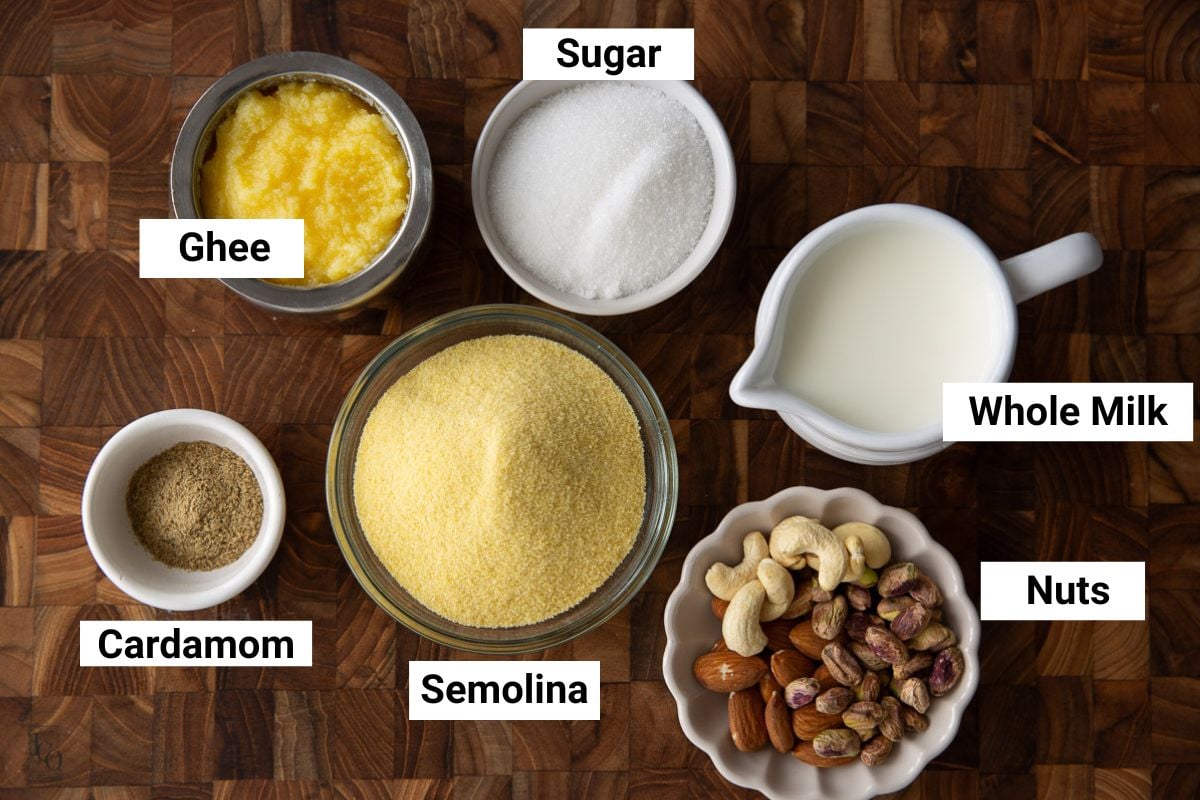
- Semolina - I use coarse white semolina because coarse rather than fine semolina gives better texture to the siro. If you are using shop bought semolina in the UK, it might be Italian semolina which is more cream in colour. In India you can find white semolina. In the UK, we get Italian semolina which is cream in colour so this may make your siro creamier in colour.
- Milk - I use full fat milk or whole milk for the best taste and texture.
- Ghee - use homemade desi ghee. Ensure the ghee is melted before measuring it out otherwise it will not be accurate.
- Sugar - granulated white sugar to keep the siro white in colour as unrefined sugar causes it to go brown.
- Nuts - chopped mixed nuts like almond and cashew is used. Sliver or chop the nuts before adding. You can leave out the nuts if making for a large gathering for any nut allergies. Instead garnish it with fresh fruit or Glacé cherries also known as candid cherries.
- Flavourings - cardamom powder is our choice here. Saffron is sometimes added.
If making for prashad/religious purpose:
- Ripe banana
- Tulsi - Indian basil for garnishing
How to make perfect Suji ka Halwa + tips
Sooji siro is a simple dessert yet you need to follow a few tips to make sure it is perfect! Follow these, and you will find that suji halwa is easy to make!
Take a measurement of melted ghee and add to a kadai or heavy bottom pan
Add the semolina and roast on low heat for 2-3 minutes ensuring the colour of the semolina doesn't change.
Meanwhile, warm milk on the side in a serpate pan. Add to the semolina once the milk is hot. Keep the heat on low still. Add the milk quarter by quarter giving you time to stir in between.
It will begin to thicken, and at this point add the sugar and continue to stir and roast for 6-7 minutes. You will start to see ghee release and the semolina grains become separate.
Add cardamom powder and nuts.
If making sooji halwa for prashad or satyaranyan katha, add chopped ripe banana at this point.

Tips for the best gujarati Sooji No Siro
For sooji no siro, best use coarse or even extra coarse semolina.
Whichever bowl/vatki/katori you are using for the measurement, use the same bowl for each measurement for accuracy.
Roast the semolina on low heat until it is fragrant as low heat ensures the semolina will not burn and will properly roast without changing colour.
Use a heavy bottomed and wide mouth pan - this again prevents burning and easy to stir.
Continuously stir - to avoid burning the semolina and prevent lumps forming.
When measuring ghee, measure it melted and not in solid form as the amount will change.
Milk should be warm/hot when it is added so that the siro will not be sticky.
Serving Suggestion
Suji no siro is a delicious creamy sweet dish, that can be served as a dessert any time of the day. I find that it tastes best best at room temperature.
If you are offering as a prasad, serve or distribute this halwa along with fruits such as banana, chikko and apple. I've seen this halwo served for Maha Ashtami or Kanjak Pooja with poori and kala chana nu shaak.
I love it with a hot breakfast of aloo tamatar sabji or chana bateta with poori.
It is great for lunch as part of a Gujarati thali or after a spicy meal with gujarati rotlis and Niramish Paneer.

How to make Sooji No Siro
Making sooji no siro is quite straight forward and quick dessert recipe, only important things to keep in mind that is to follow accurate measurements.
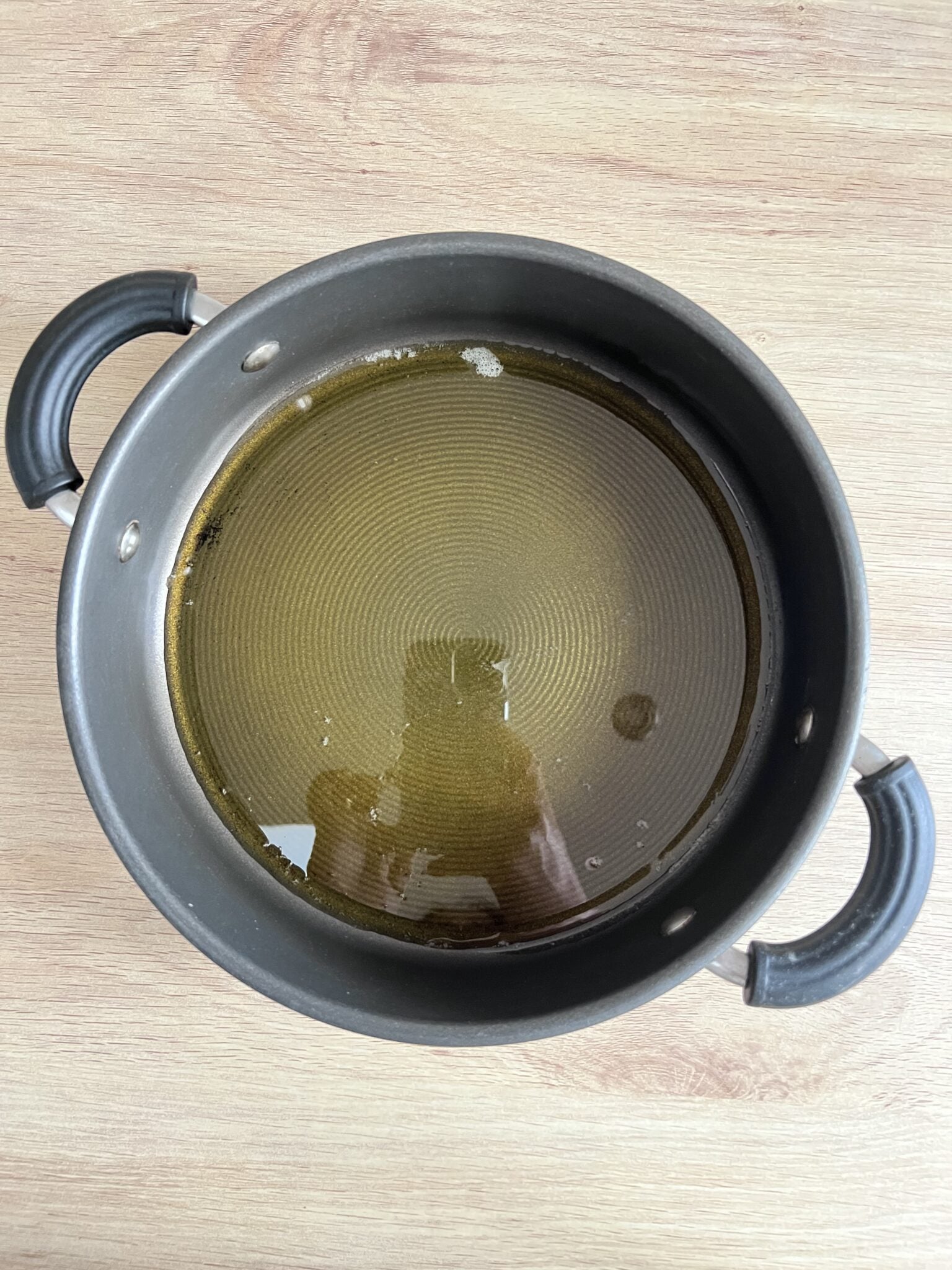
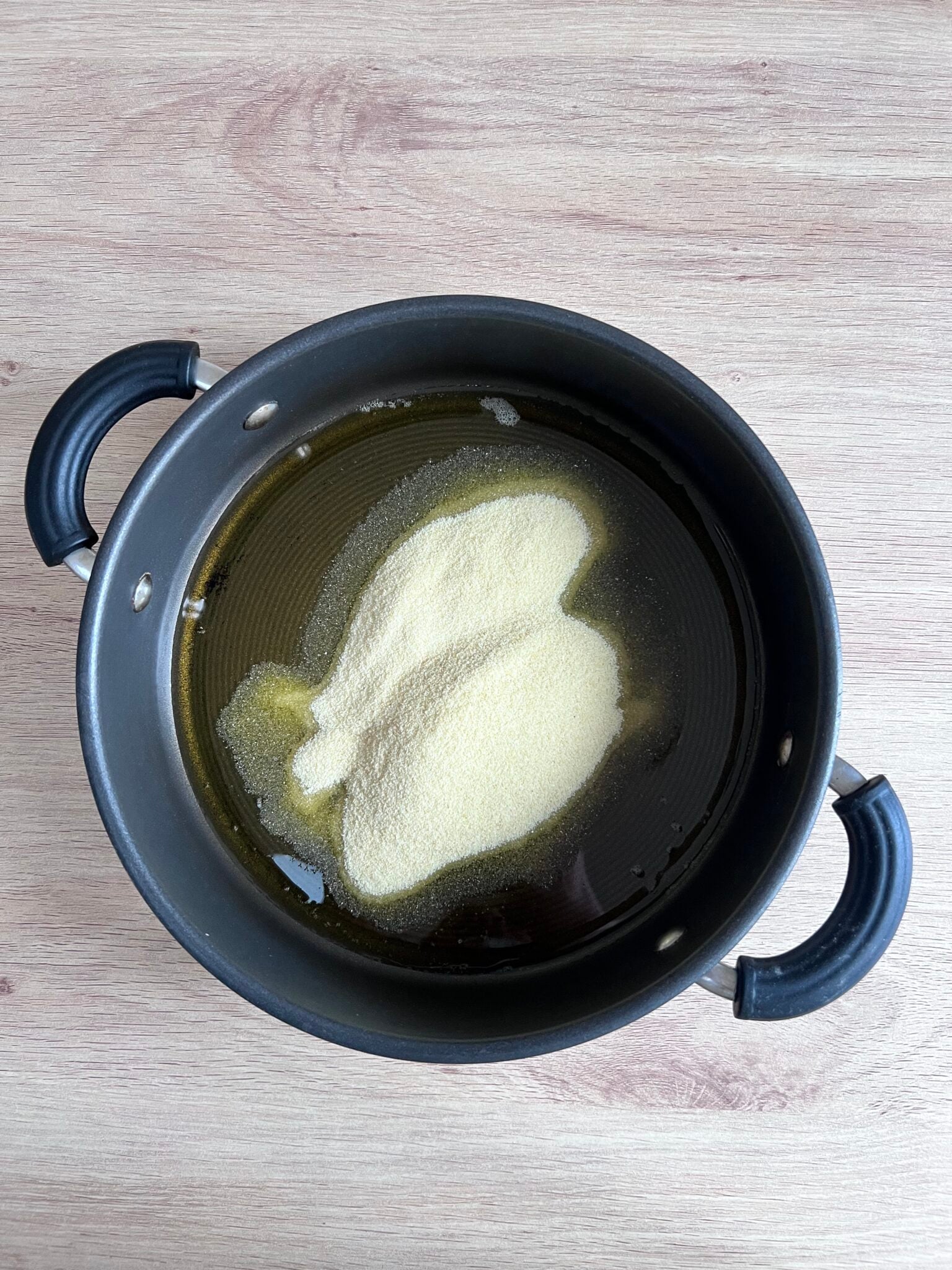
- In a pan take melted ghee, add semolina.
- On a very low heat fry it for 4 minutes, don't let the colour change.
- You'll able to see small bubbles.
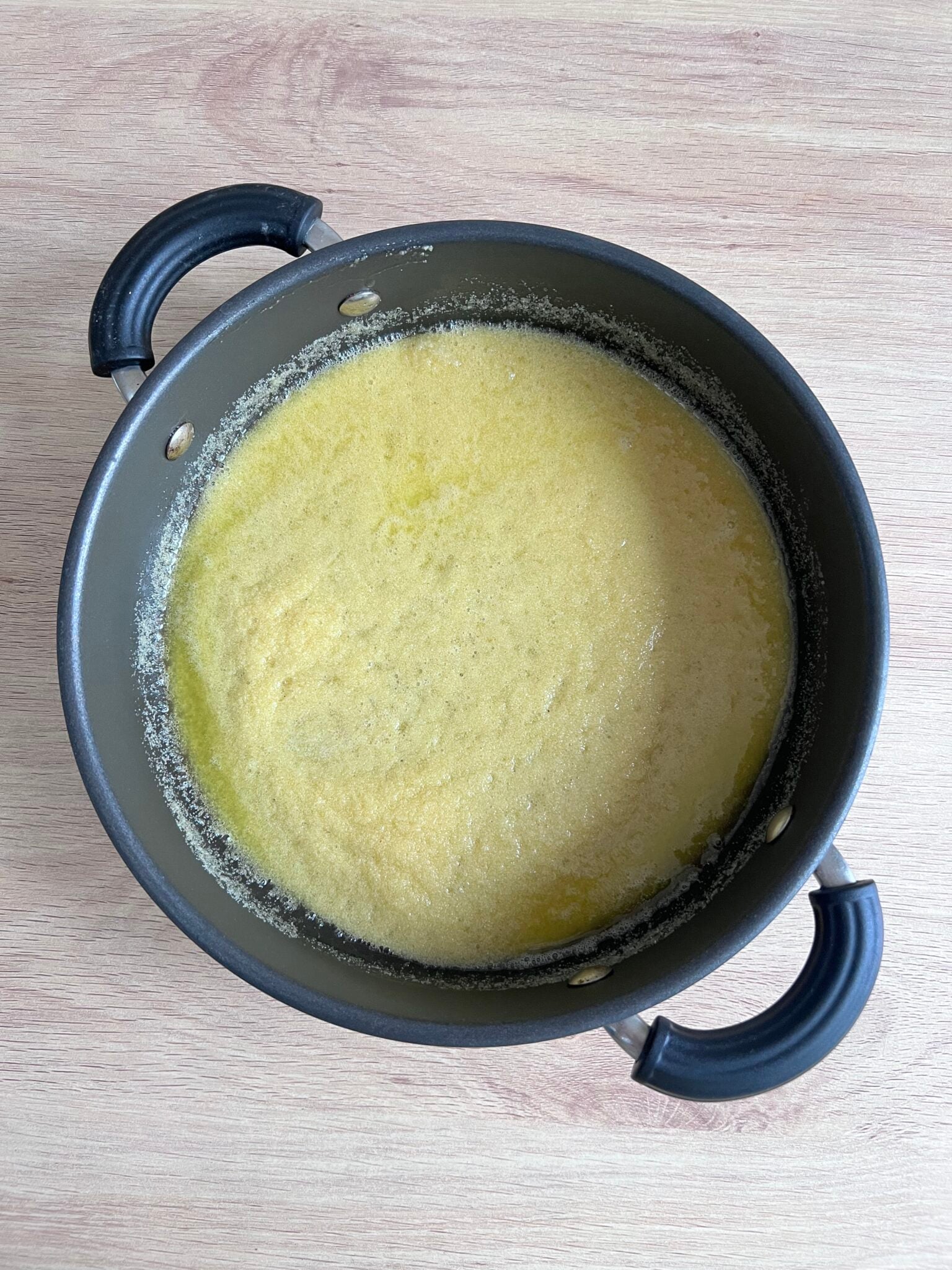
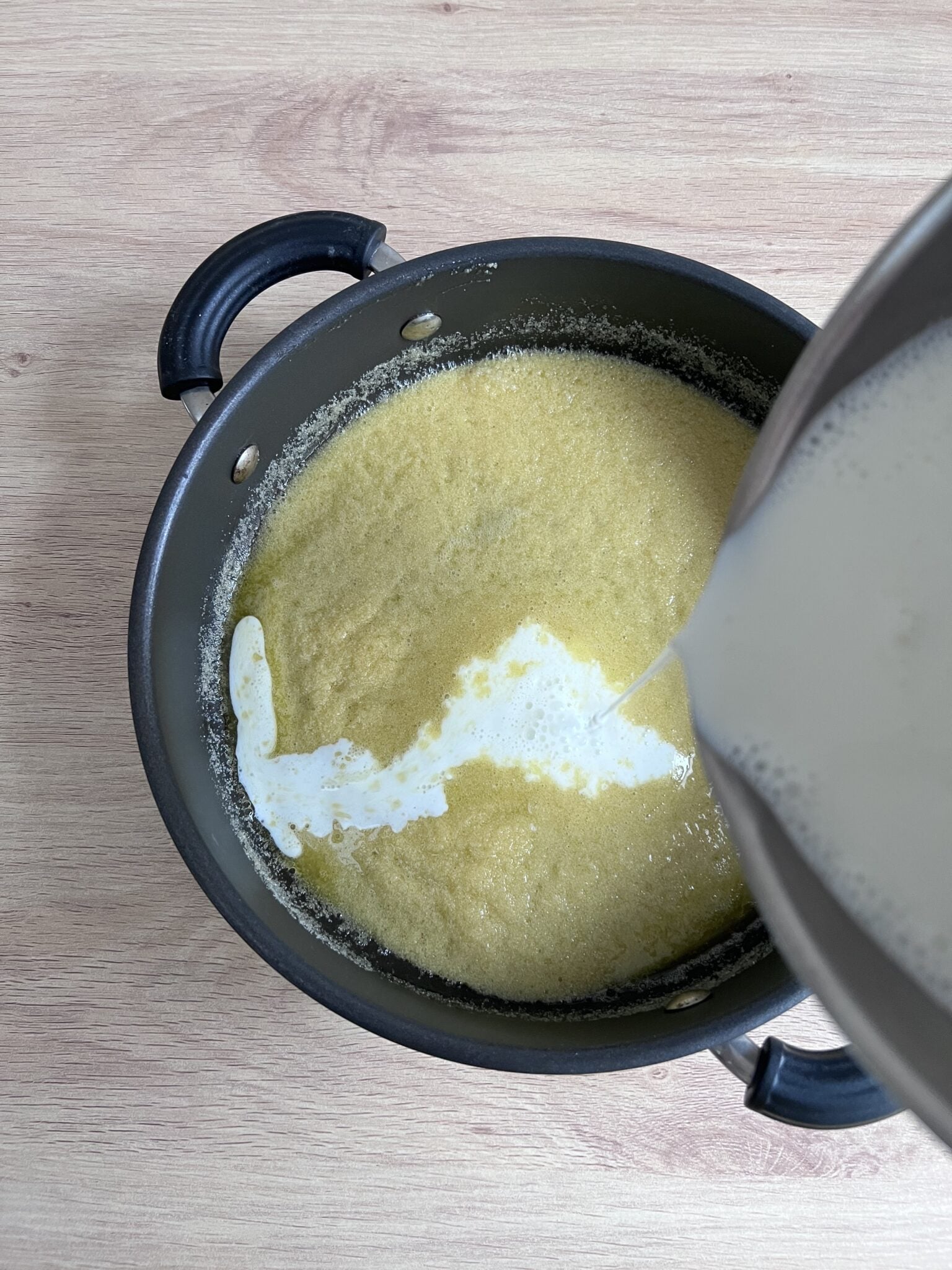
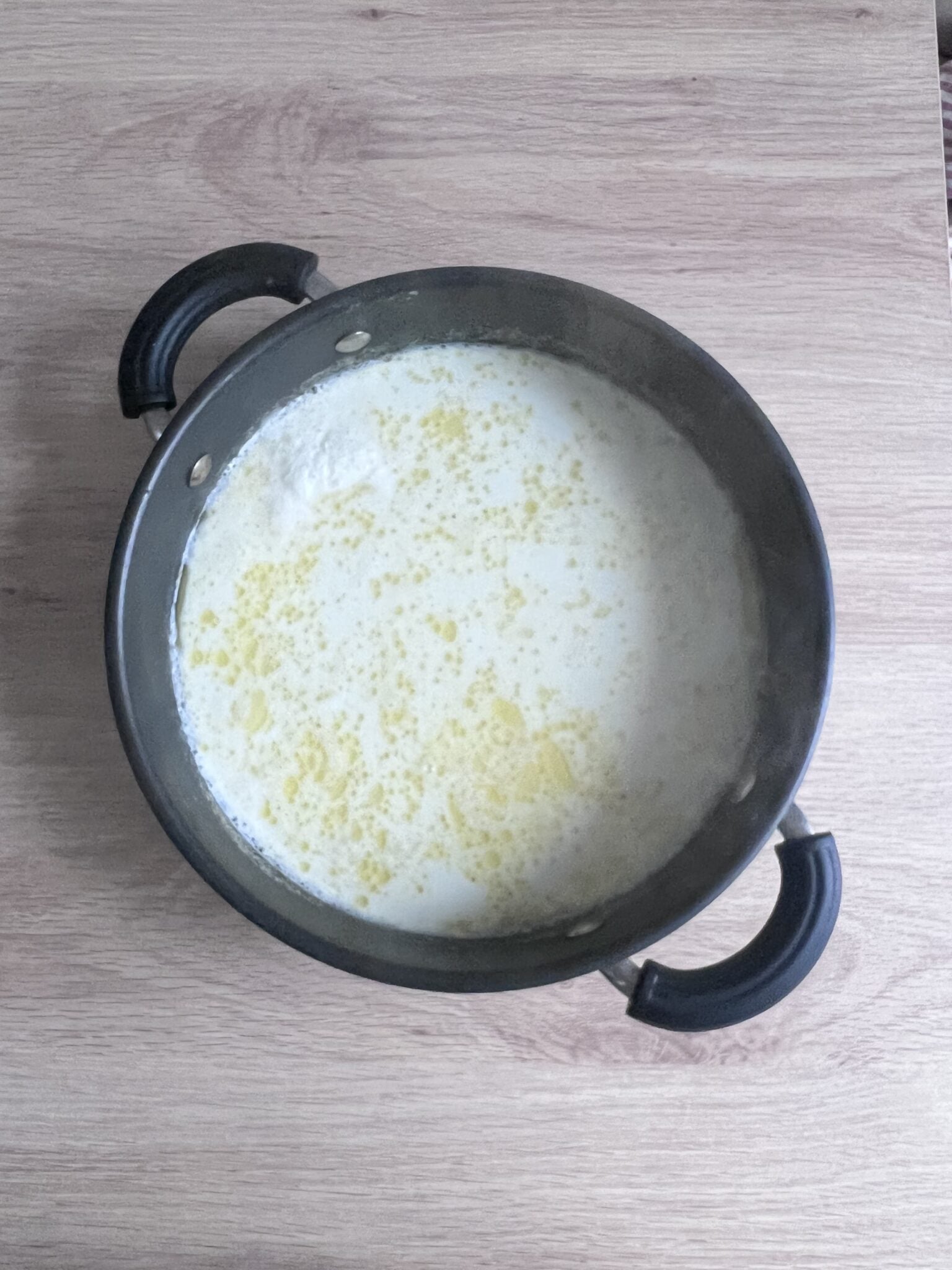
- Add milk.
- Keep stirring until mixture go slightly thick like a porridge.
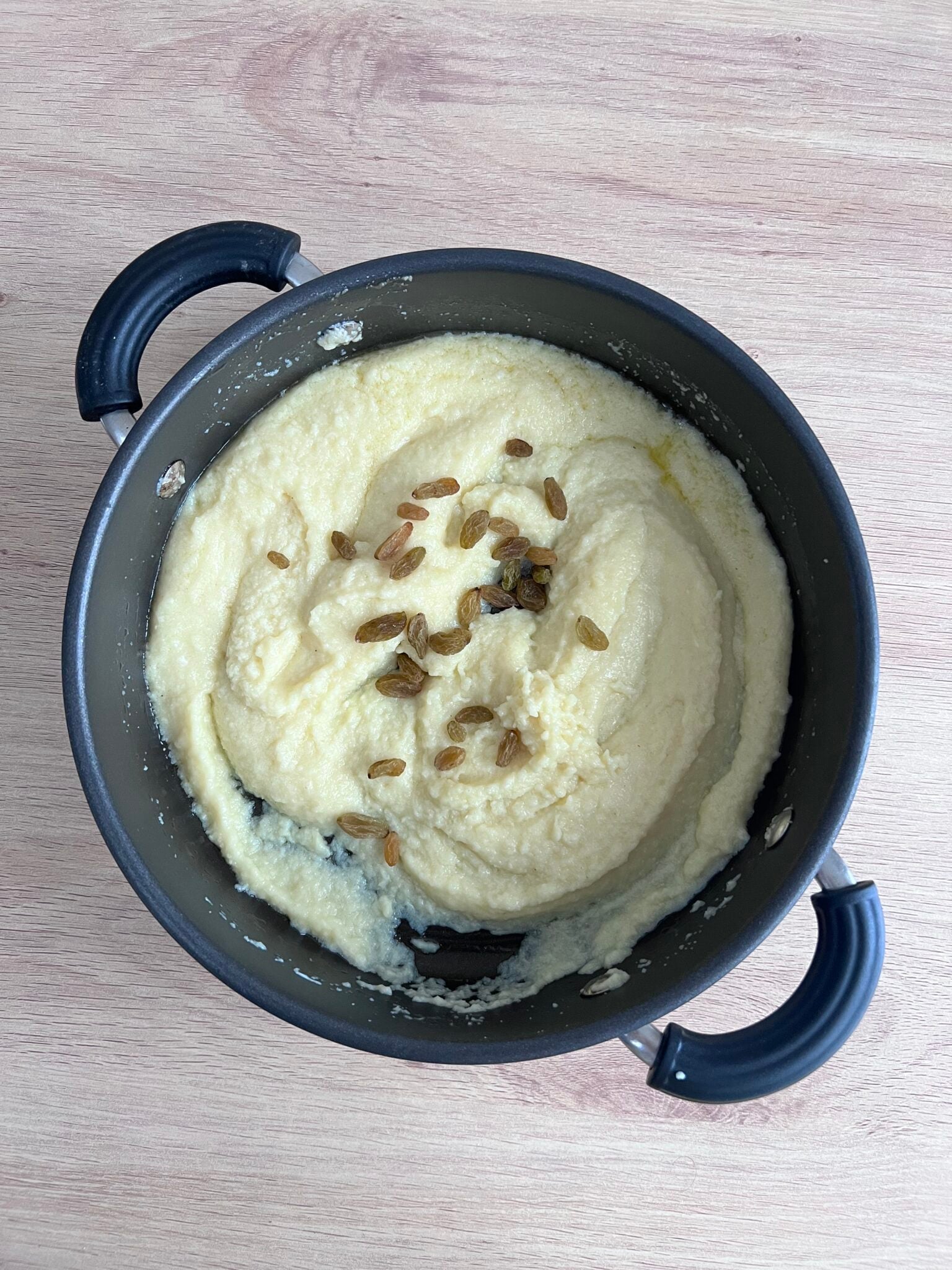
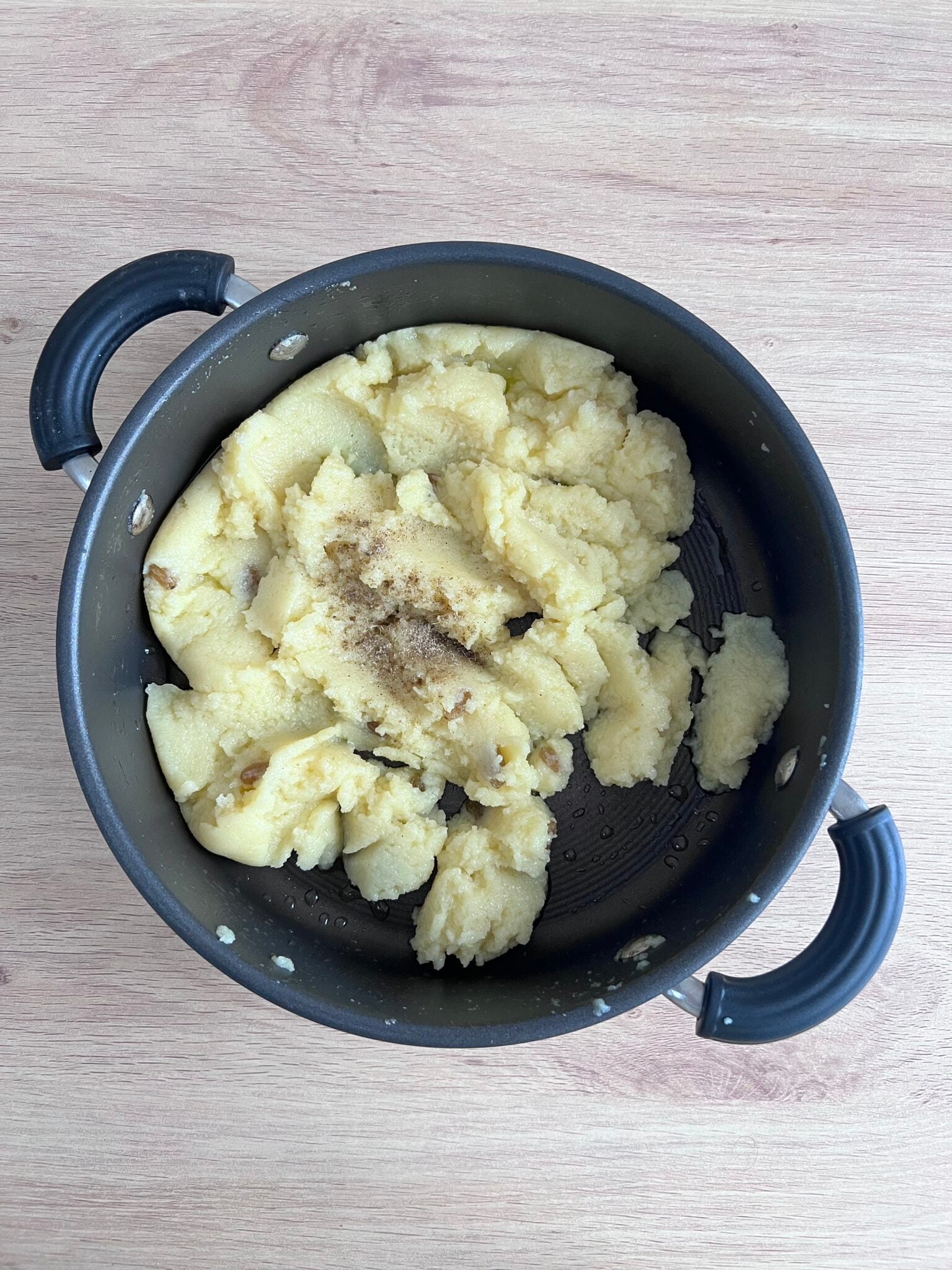
- Add green/yellow raisins, mix well and cook further.
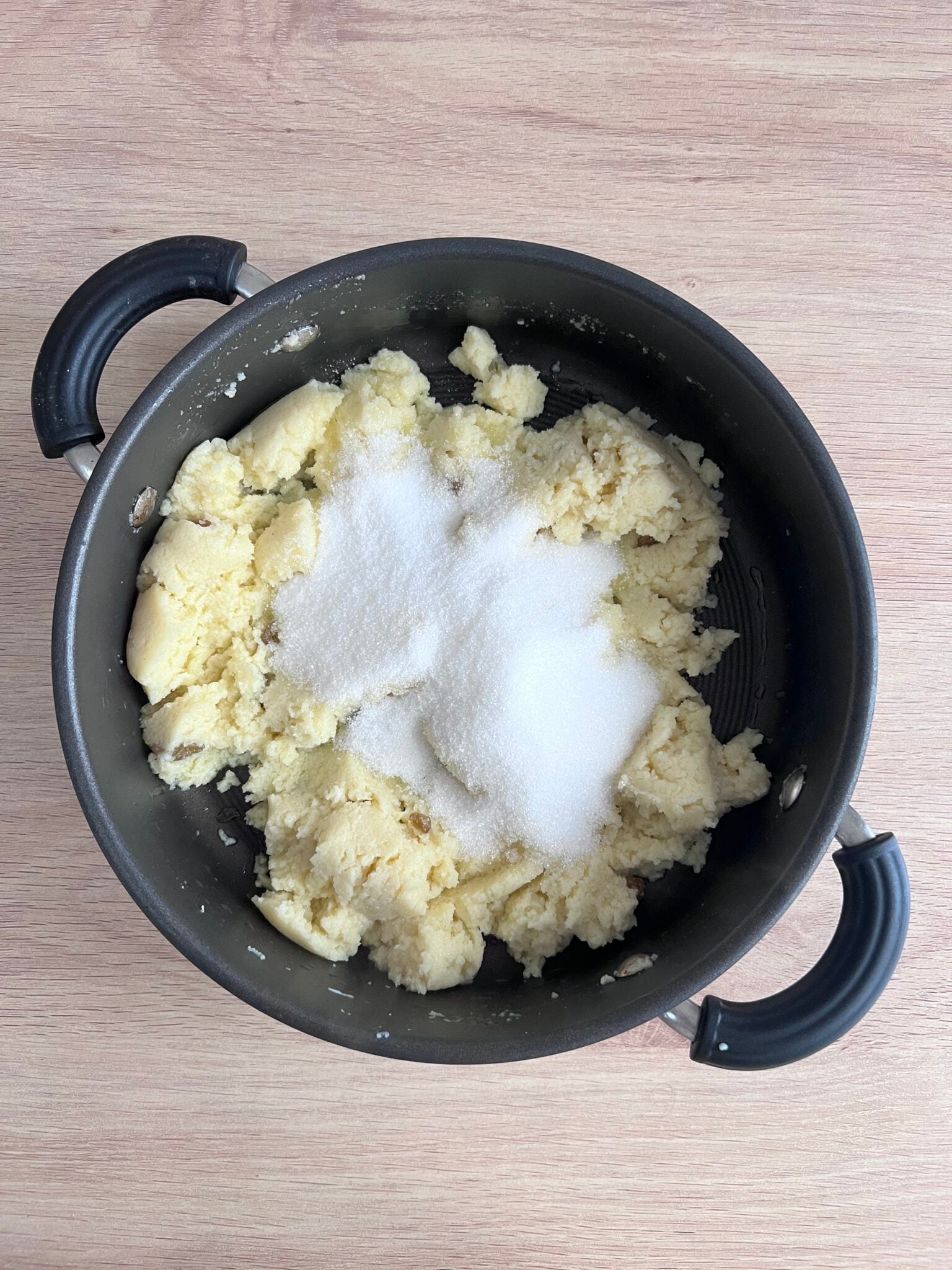
- Add sugar, sugar will release some water. Keep cooking/stirring on low heat.
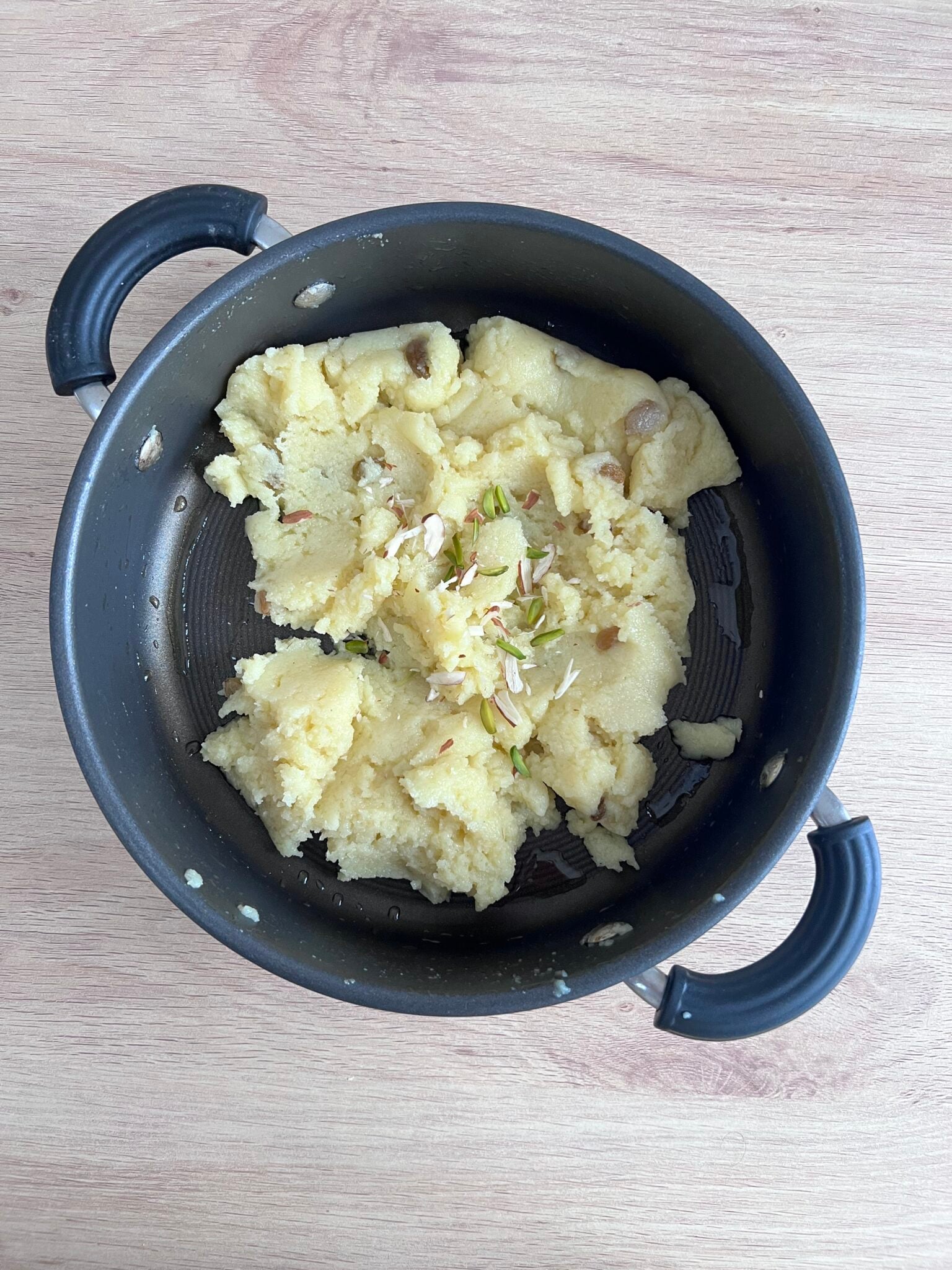
- Once the moisture dries up, slowly ghee will separate from the halwa mixture. This is the sign of that halwa has cooked perfectly.
- Add cardamom powder, combine well.
- Turn off the heat, add half of the nuts. mix well.

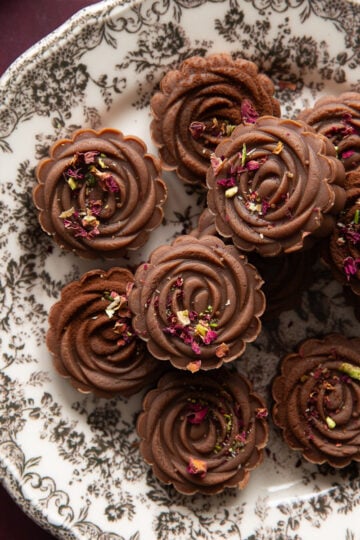
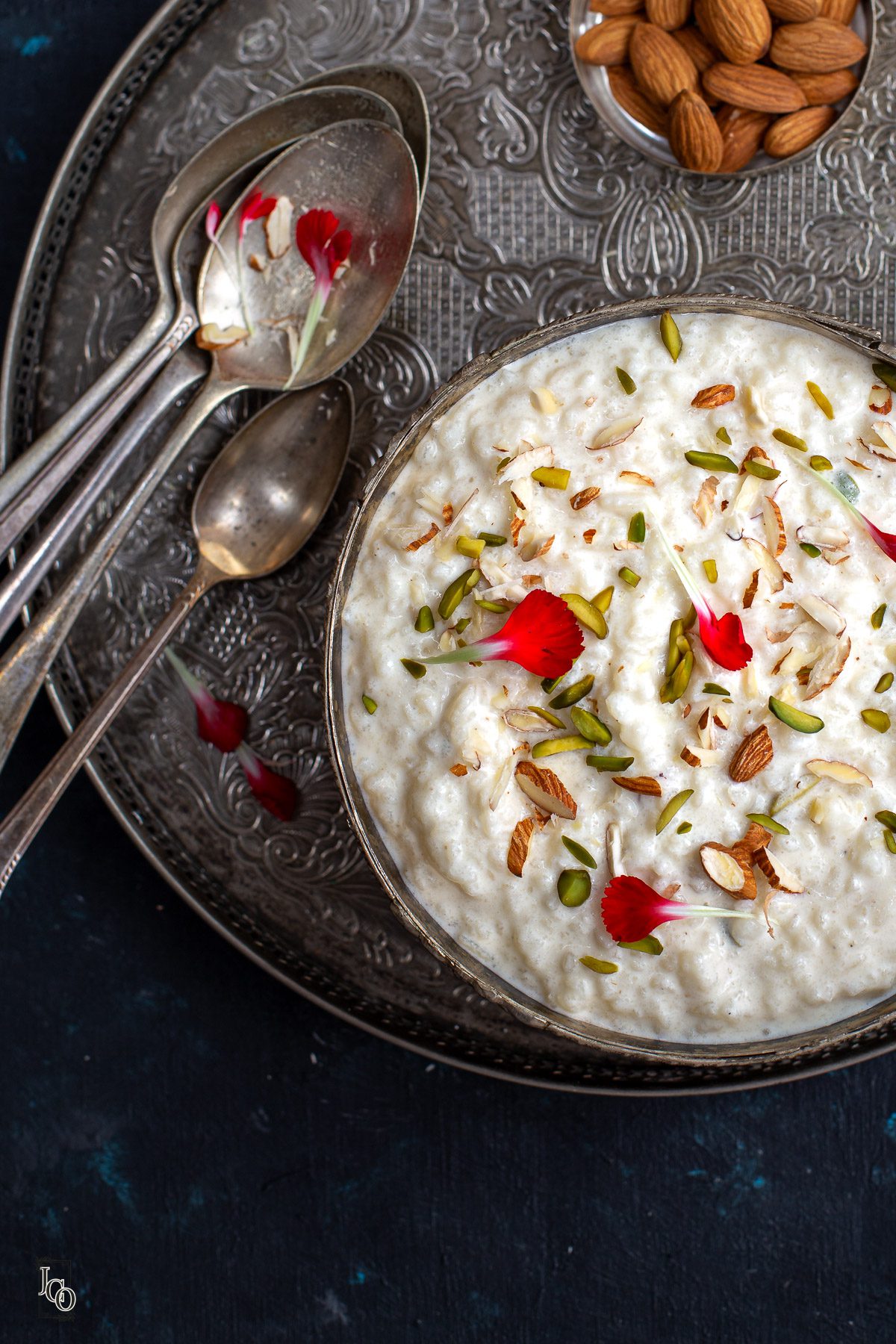
Other Semolina recipes you may like to try:
As always if you make this recipe, be sure to leave me a comment, rate this recipe and tag me on Instagram @jcookingodyssey or #jcookingodyssey. I love seeing all your photos of my recipe recreations!
Don’t forget to follow me on social media using the buttons below – I can't wait to see you all there!
📖 Recipe

Sooji No Siro | Suji Ka Halwa | Satyanarayan Prasad
Equipment
- Kadai/thick bottom pan
- Spatula
- pan
Ingredients
- 1 cup semolina coarse - sooji-rava
- 1 cup ghee melted
- 1 cup sugar regular white
- 3 cup milk whole/full fat
- ½ teaspoon cardamom powder
- 2 tablespoon nuts almond, pistachio,cashews
- 2 tablespoon raisins or yellow sultana
Satyanarayana Prasad ( see ingredients ratio above in the post)
- 1 banana ripe
- 4-5 basil holy basil - tulsi patta
Instructions
- In a kadai or pan take melted ghee, add semolina.
- On a low heat roast the semolina for 3-4 minutes.
- Keep stirring all the time.
- Meanwhile heat the milk in another pan, bring it to first boil and turn off the heat.
- Slowly add all the milk, keep stirring.
- The mixture will look like a porridge.
- Keep the heat low and keep stirring the mixture.
- After couple of minutes, add sugar.
- Cook the halwa on low heat, keep stirring.
- Add raisins, and keep cooking halwa.
- After 5-6 minutes the ghee will separate from the mixture and the mixture will come together.
- Add cardamom powder, mix well.
- Turn off the heat and remove kadai/pan from the heat.
- Once the halwa starts getting cold, the grains will separate and it will go fluffy and light.
- Serve in a serving bowl, garnish it with nuts and edible rose petals if using.
Prasad
- For prasad, peel the banana and cut into small pieces.
- Add along with cardamom powder and mix well OR you may just arrange banana pieces on top of the halwa.
- Garnish halwa with tulsi patta.
Notes
Nutrition
PLEASE NOTE: Nutritional values are estimated by a computer and may vary based on ingredients and portion sizes. For personalised dietary advice, please consult a qualified healthcare professional.
Share on Facebook Pin This RecipeNote – This recipe has been updated from our recipe archives with new images and content, but the recipe remains the same. First time published in May 2012.

Anshika Juneja says
I can't tell you how much I love Suji ka Halwa. This one just looks so delicious and tempting. I love how you have given step by step instructions with the pictures for this recipe. I'm definitely going to try this dessert soon.
Lauren Michael Harris says
I don't typically order or make Indian desserts because they don't typically seem like desserts I'm used to, but this one sounds so good and I'm anxious to make it very soon to serve after one of our favorite Indian dinners.
Hayley says
@Lauren Michael Harris, thanks for your feedback i hope you try this out and enjoy it.
Jenny says
Thanks so much for sharing this. I am always looking for great Indian desserts, and your Sooji no Siro is amazing. Hubby went bananas over it. I am sure we will be making it frequently.
Hayley says
@Jenny, thank you for your kind words its been a pleasure reading your comments ,please do try out our other recipes and give your feedback.
Chenée says
This is such a delicious dessert! So easy to make. Definitely a new favorite for me!
Hayley says
@Chenée, wow iam so happy to hear that, thank you so much