
Padvali Roti, also known as Be Padi Rotli, is a Gujarati specialty. It is a very thin double layered roti that is best enjoyed with fresh Gujarati Keri no Ras.

Padvali rotli is similar to normal roti except 2 rotlis are rolled out on top of each other very thinly, cooked on the tawa and then separated into 2.
"Be" means 2 and "pad" means layer in Gujarati. This recipe is also known as Padvari Rotli, Dupadi, Dosti or Dopadi.
The rotli are super soft and thin and are finished with plenty of ghee then dunked into bowls of chilled ras.
Padwali roti is immensely popular in the summer months as you only need to roll out the roti once to make two rotlis! You save time, energy and effort in front of a hot stove.
My Mum makes bepadi roti every year during the mango season and during the (couple) of hot days we get in the UK.
The flatbread was perfect part of our Gujarati Thali with karela nu saak, kadhi, basmati rice, mag ni chutti dal and a basic salad.
Gujarati poori or Gujarati rotli is another incredible alternative with aam ras and Aloo methi curry
Ingredients
- Chapati aata
- Lukewarm water
- Rice flour - for dusting
- Oil
- Ghee - to spread on cooked rotli

How to make Padvali Roti
Making the dough
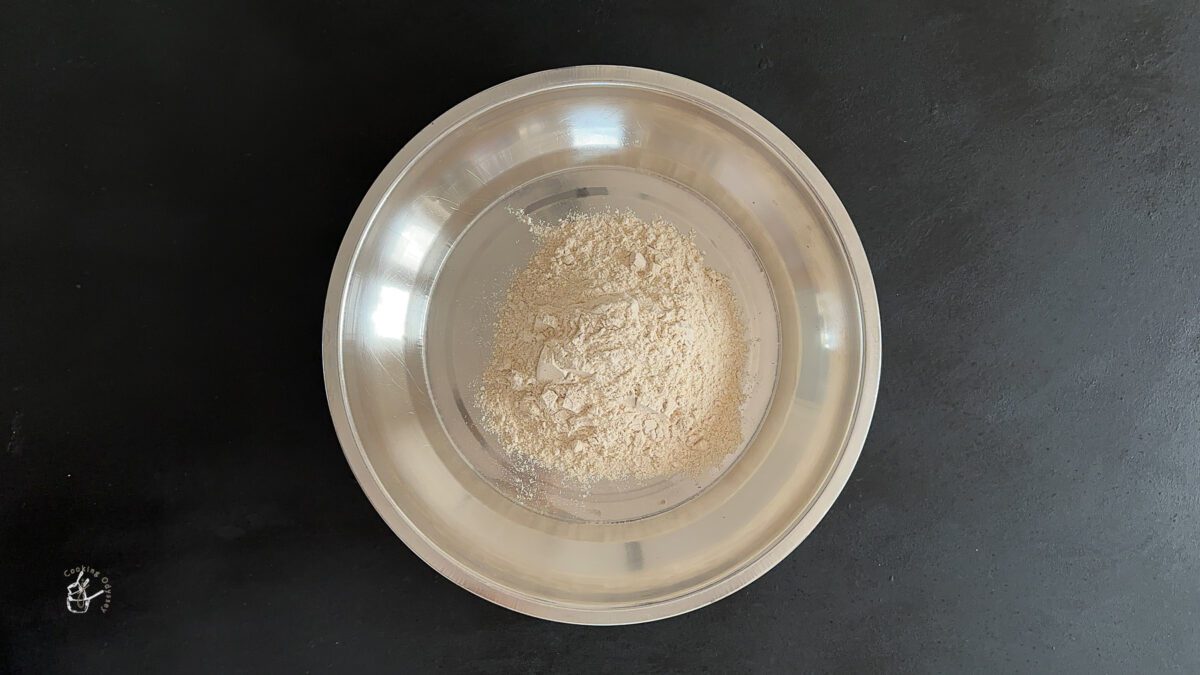
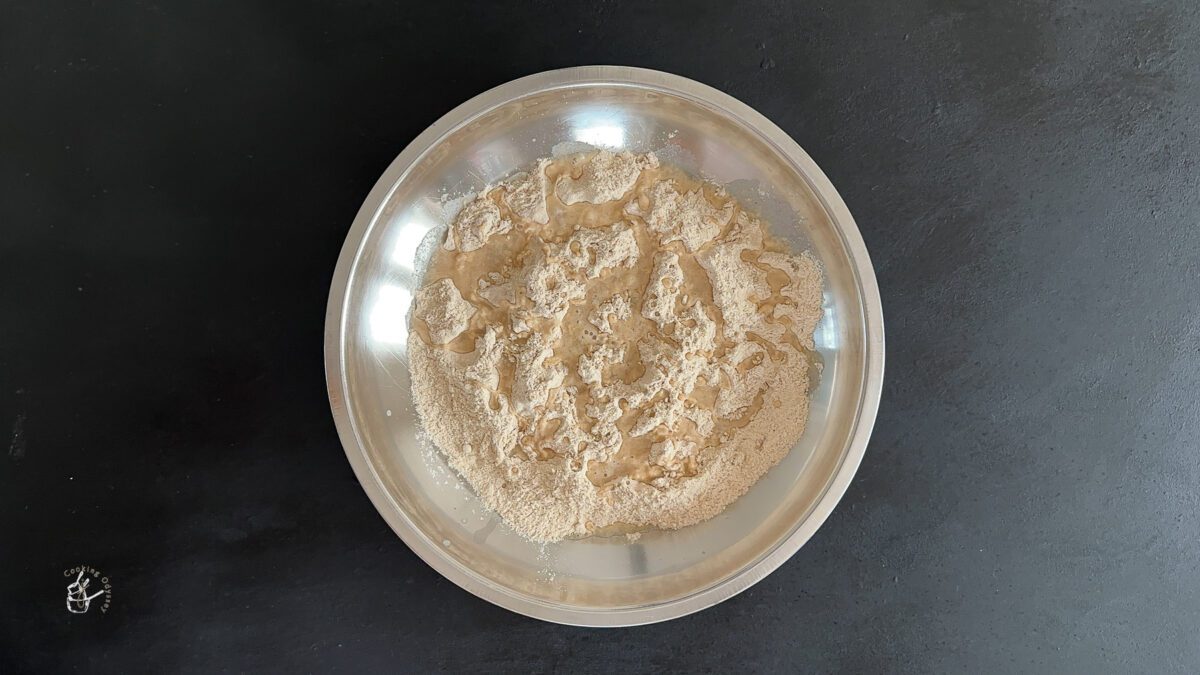
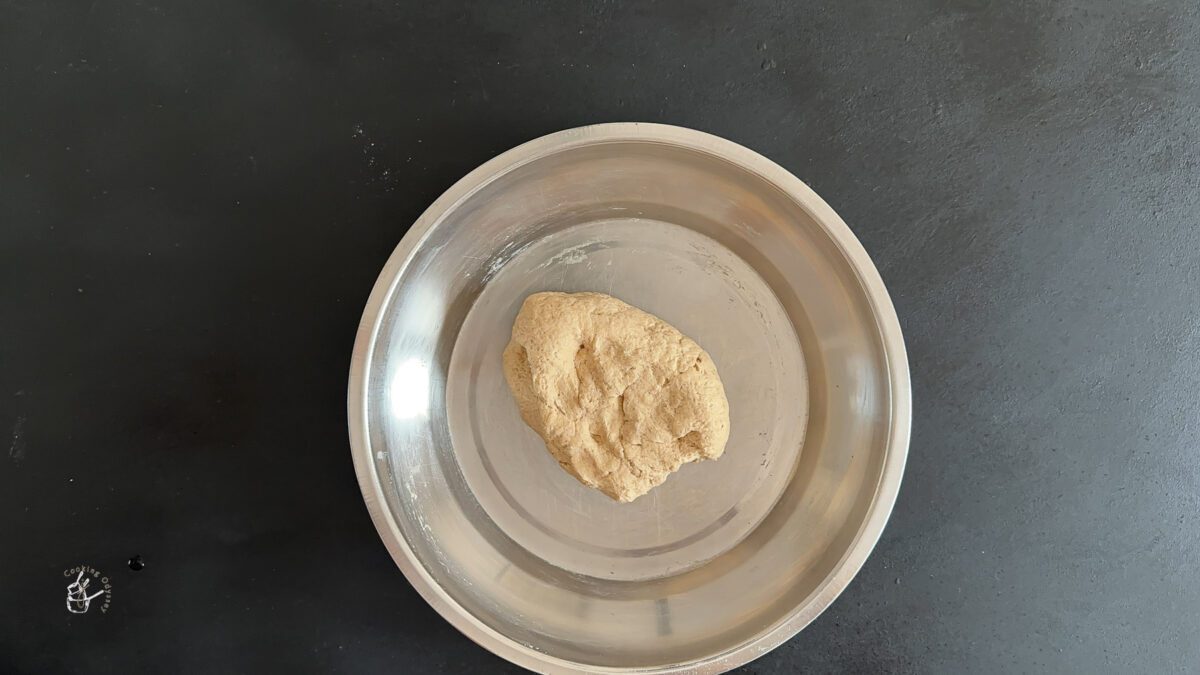
In a wide bowl, add the chapati atta and the lukewarm water to knead a soft pliable dough.
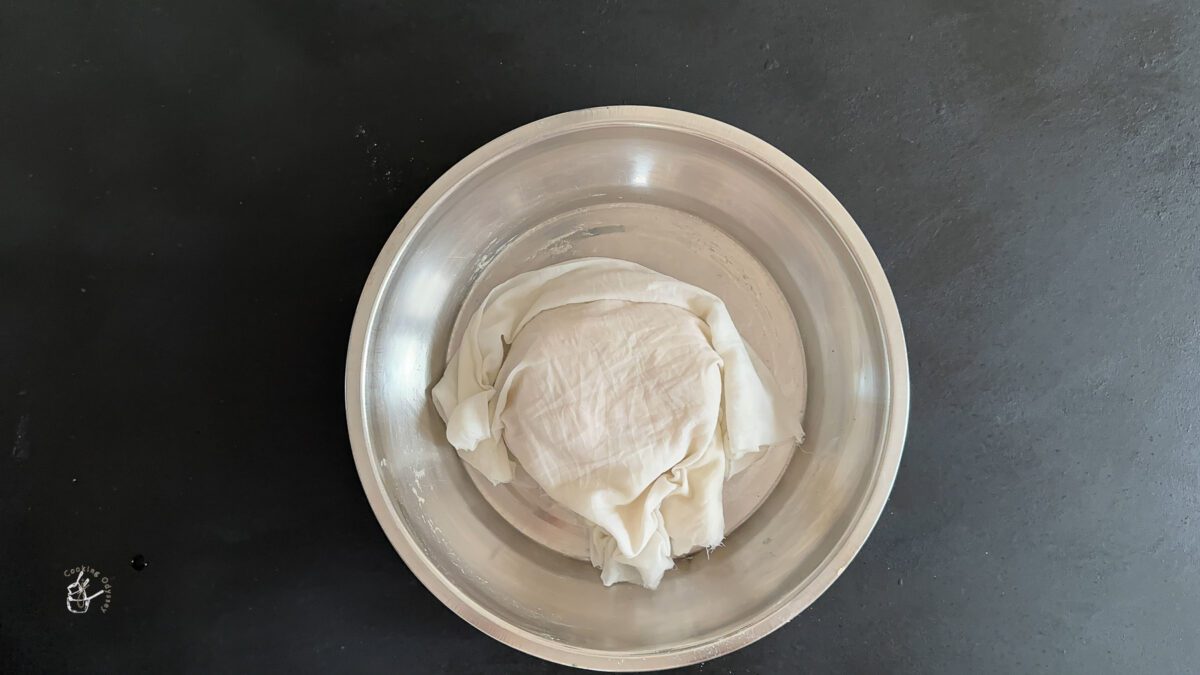
It should not be too hard or very sticky. Set aside for 10 minutes if you have the time.
Roll out the rotli
Make small lime sized balls of the dough.
Take two balls and coat them in the rice flour.
Apply a dab of oil on the top sides of both the circles.
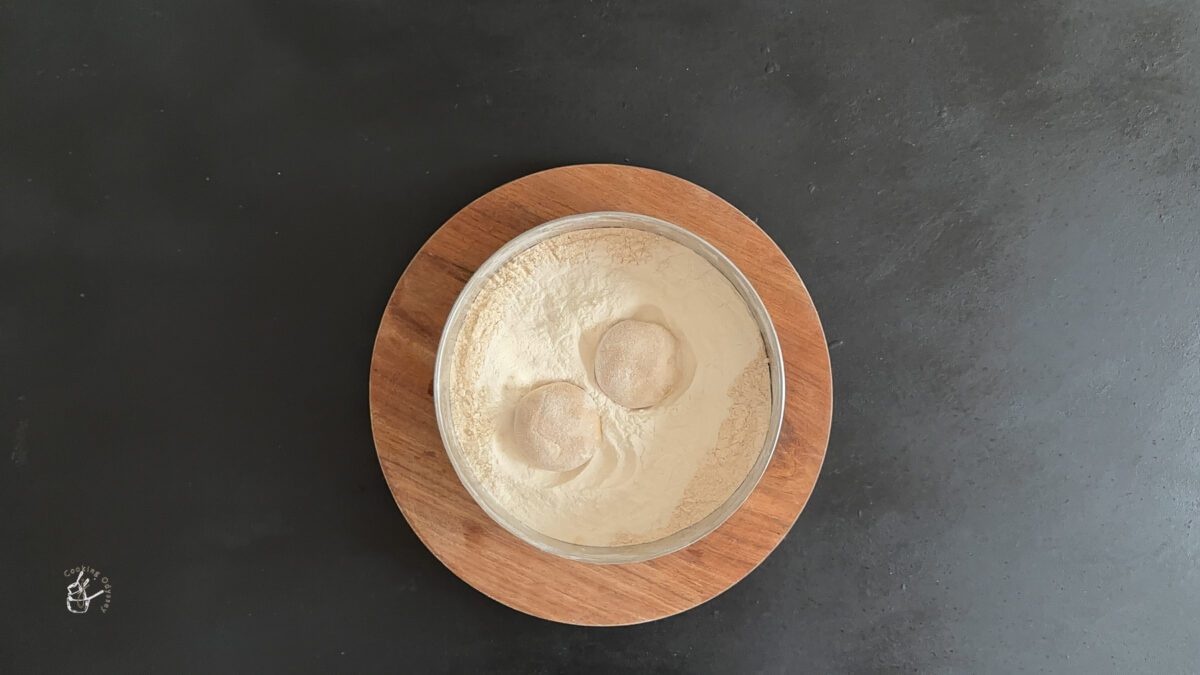
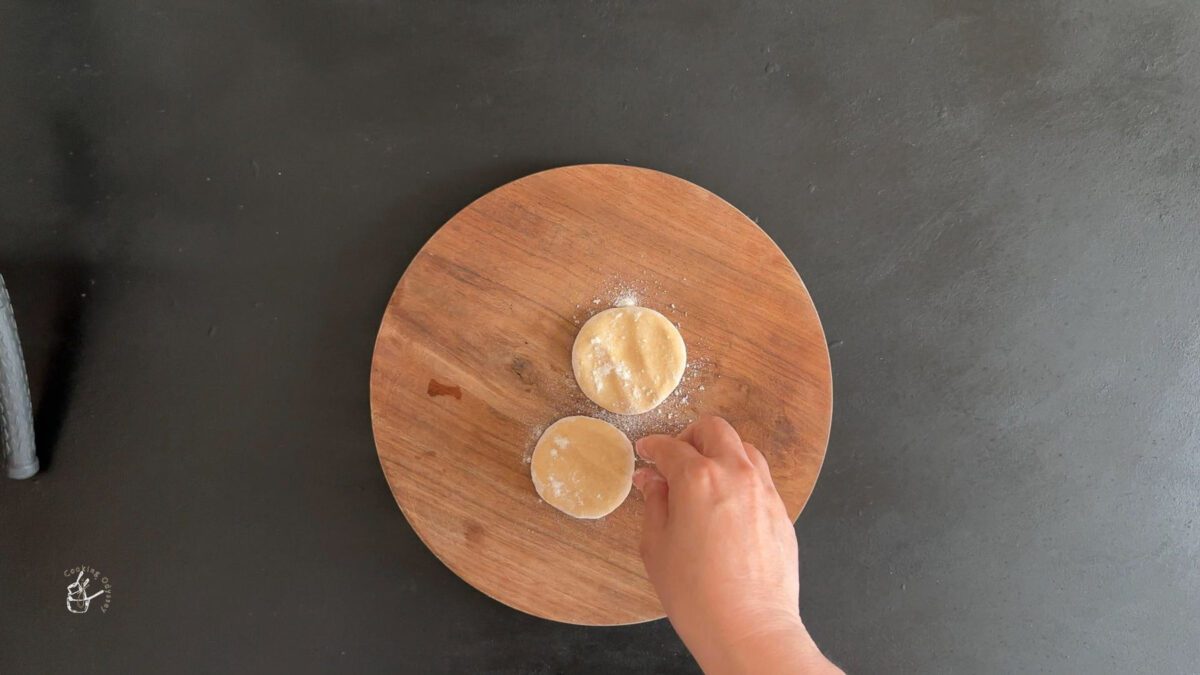
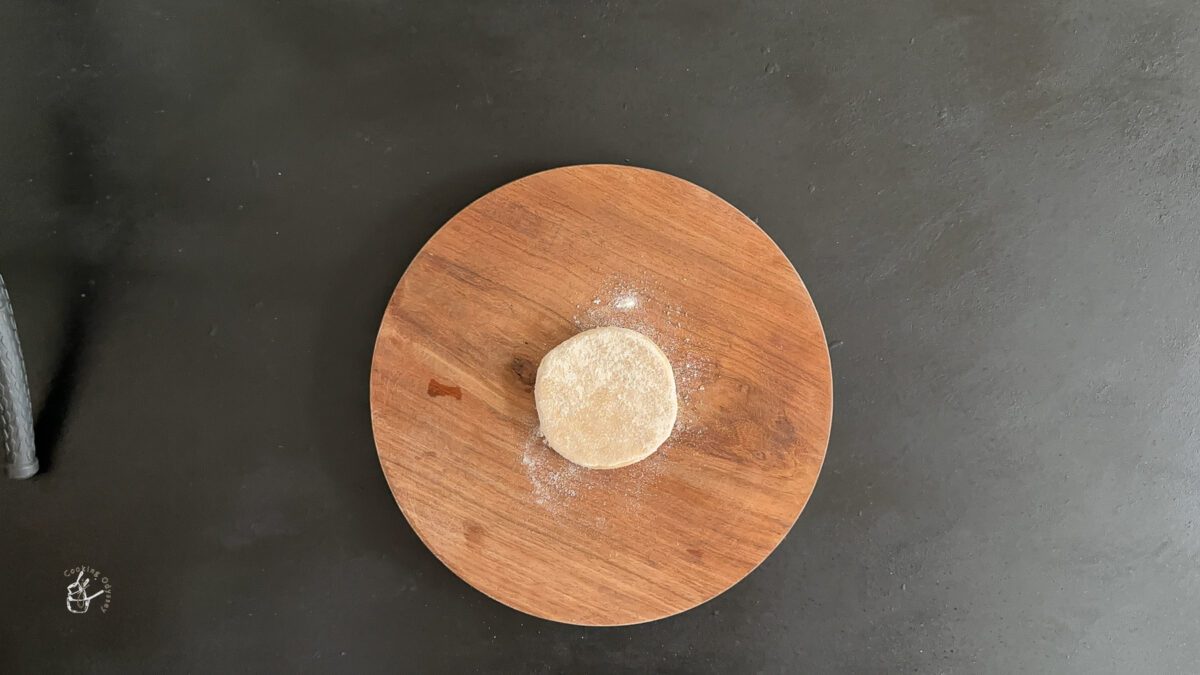
Layer one circle on top of the other with the oiled sides in the middle touching.
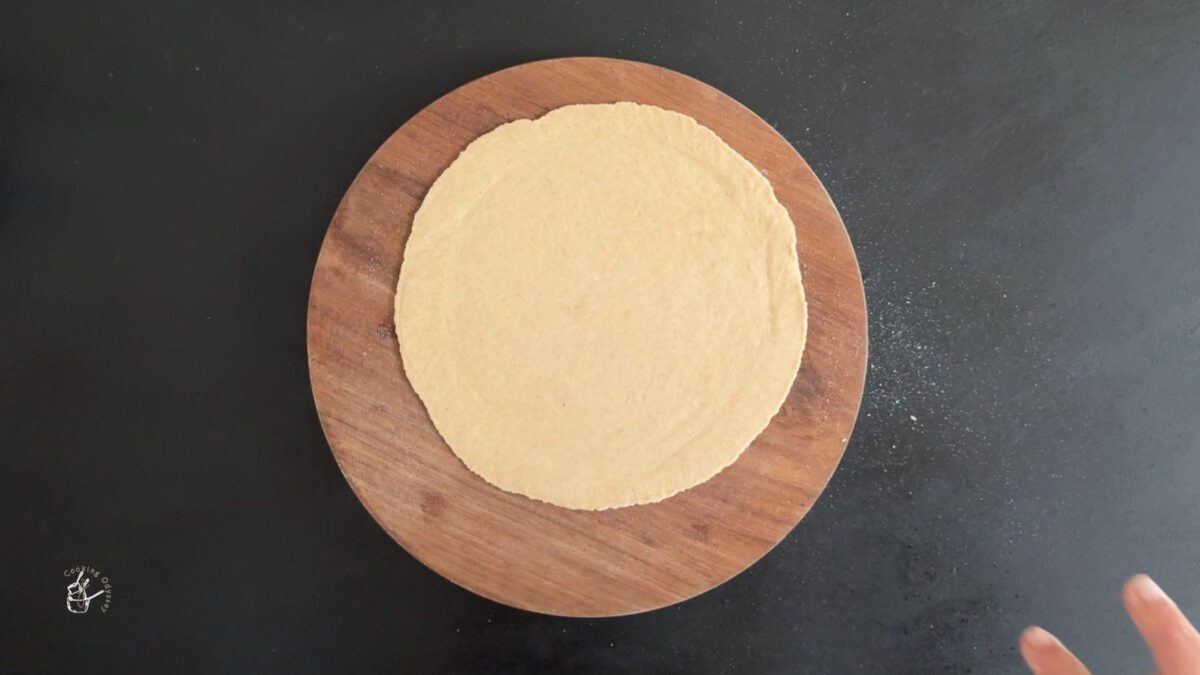
Roll out the rotli fully to achieve one large circle. Use extra dusting of rice flour to help you roll it out.
Roll with a rolling pin till you get thinner roti.
Cook the padvali roti
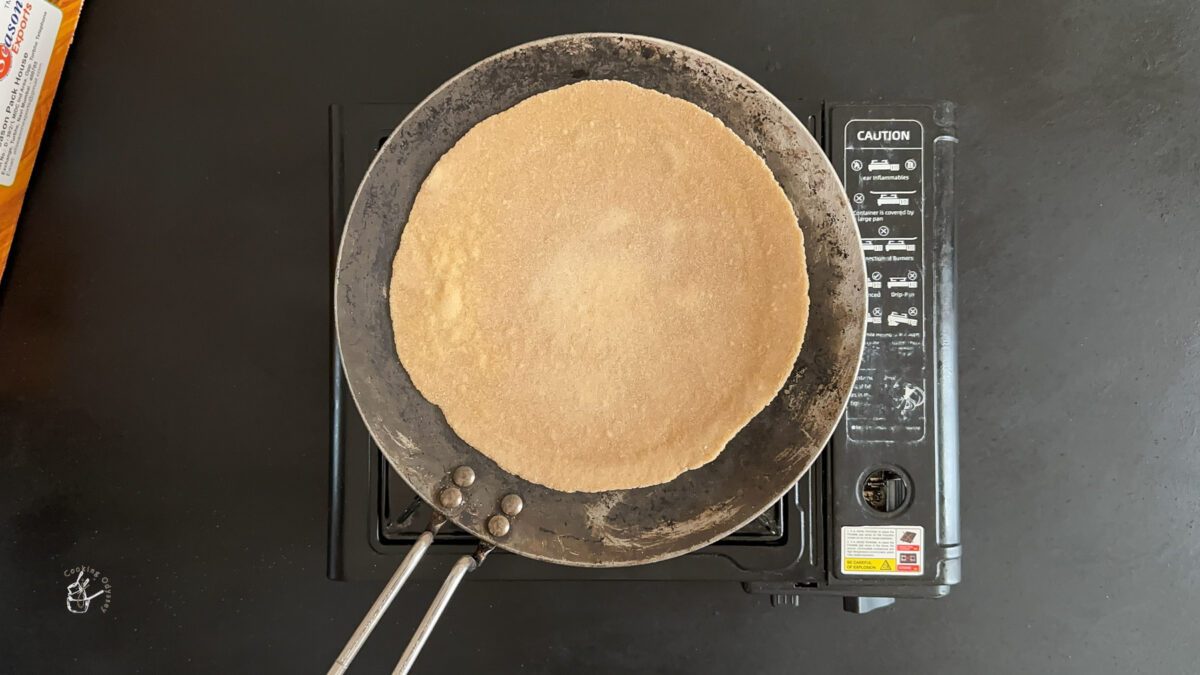
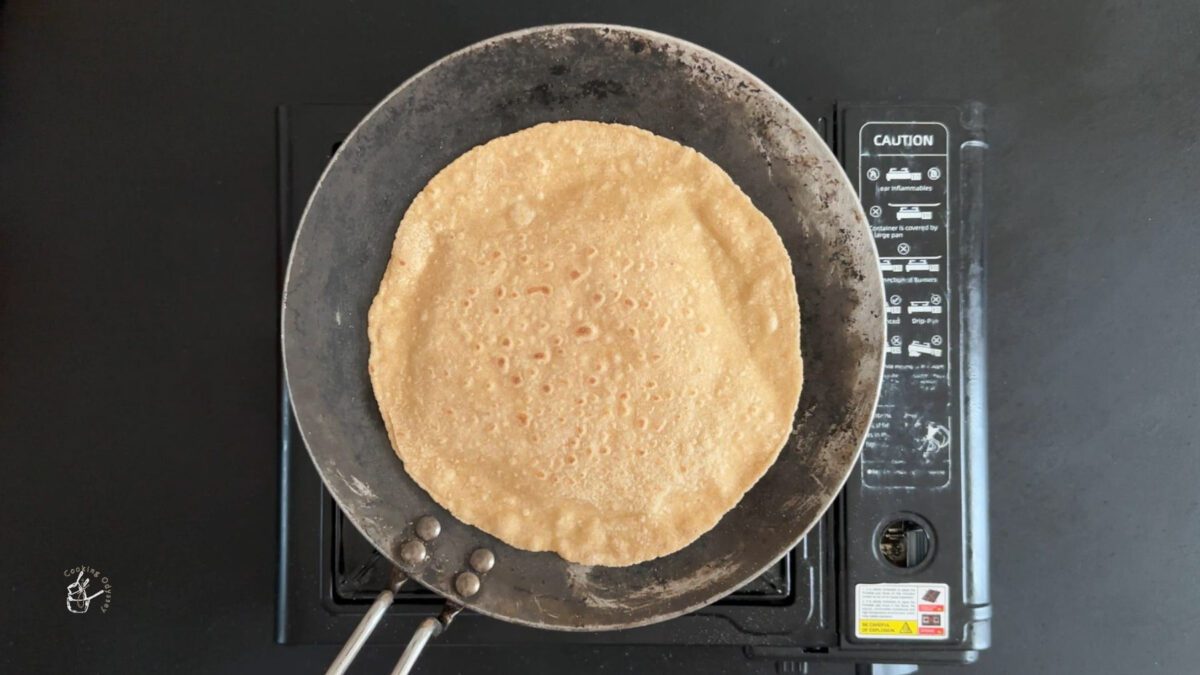
Heat a tawa then roast the double layered rotli on both sides until you see it puff up. The rotli should remain soft.
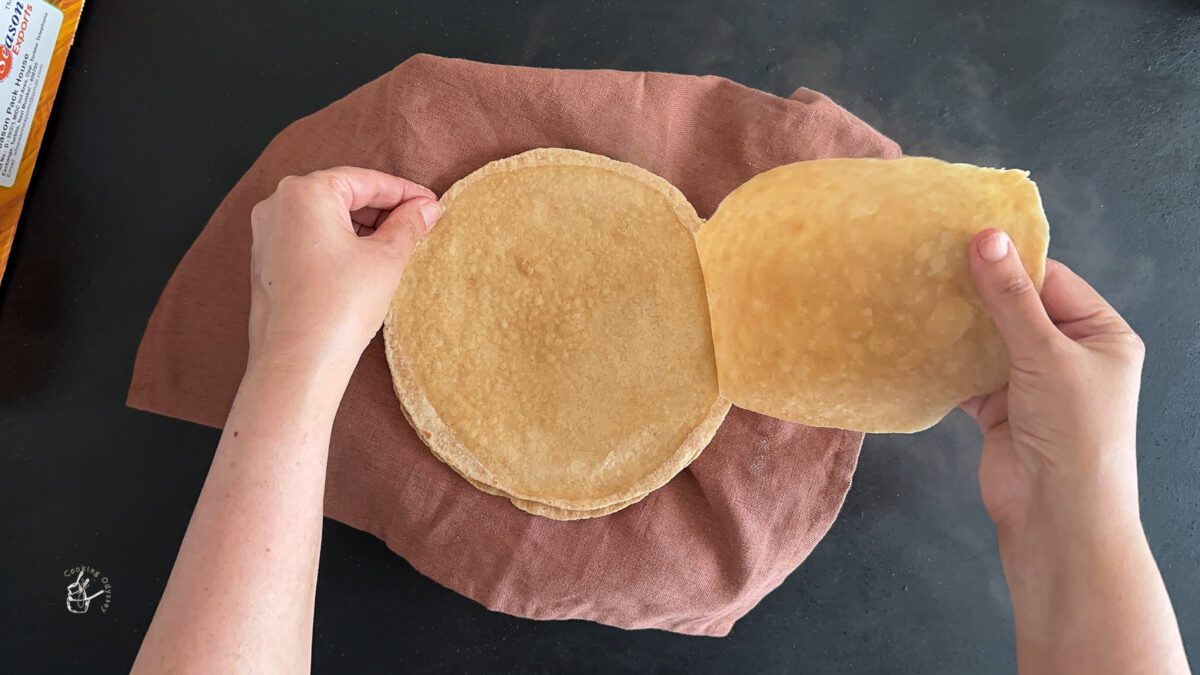
Remove the rotli from the tawa and immediately pull apart. Be aware that hot steam may release from the air pockets.
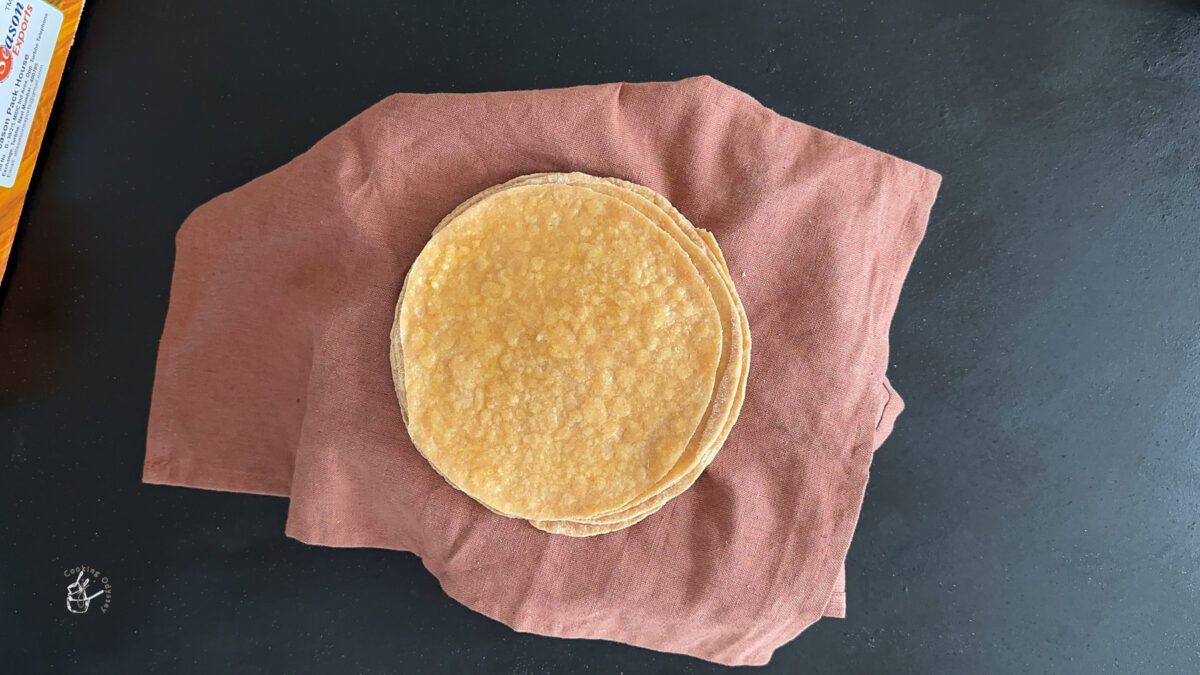
Apply good amount of ghee on both rotlis.

Pro Tips
- You need a soft dough like a chapati dough rather than a hard puri dough. Add water a bit at a time to prevent the dough from becoming too wet.
- You must add oil and flour between the two balls to make it possible to peel apart after cooking.
- Using rice flour to roll out instead of normal chapati atta helps you to roll out a very thin rotli but you can skip it if you do not have it.
- Do not press too firmly when rolling out the dough to make the layers easier to separate.
- Peel the two layers apart as soon as the roti is removed from the pan.
- To make it easier to peel apart, use a clean kitchen towel to scrunch the rotli. This will separate the layers. (see video for visual instructions).
Other Indian bread Recipes
As always if you make this recipe, be sure to leave me a comment, rate this recipe and tag me on Instagram @jcookingodyssey or #jcookingodyssey. I love seeing all your photos of my recipe recreations!
Don’t forget to follow me on social media using the buttons below – I can't wait to see you all there!
📖 Recipe

Gujarati Padvali Rotli (Bepadi Roti)
Equipment
- Wide plate
- tawa griddle
- Rolling Pin
Ingredients
- 2 cup chapati flour roti aata
- 2 tablespoon oil
- 2 tablespoon ghee
- ¼ cup rice flour optional
Instructions
Making the dough
- In a wide bowl, add the chapati atta and the lukewarm water to knead a soft pliable dough.
- It should not be too hard or very sticky. Set aside for 10 minutes if you have the time.
Roll out the rotli
- Make small lime sized balls of the dough.
- Take two balls and coat evenly in rice flour.
- Apply a dab of oil on the top sides of both the circles.
- Layer one circle on top of the other with the oiled sides in the middle touching.
- Roll out the rotli fully to achieve one large circle. Use extra dusting of rice flour to help you roll it out.
- Roll with a rolling pin till you get thinner roti.
Cook the padvali roti
- Heat a tawa then roast the double layered rotli on both sides until you see it puff up. The rotli should remain soft.
- Remove the rotli from the tawa and immediately pull apart. Be aware that hot steam may release from the air pockets.
- Apply good amount of ghee on both rotlis.
Video
Notes
Nutrition
PLEASE NOTE: Nutritional values are estimated by a computer and may vary based on ingredients and portion sizes. For personalised dietary advice, please consult a qualified healthcare professional.
Share on Facebook Pin This Recipe Share by TextNote – This recipe was first published in May 2012. This post has since been updated with helpful content and new images. The recipe remains the same.


Simplyfood says
Lovely thin rotis, I make these with Rice Kheer, but must try with Ras.
Ruchira Hoon says
Am so jealous of anyone who can roll rotis that thin! Gosh. Super going Jagruti
Priya Suresh says
I do the same way for making sheets for making samosas but never as parathas, well done Jags.
Unknown says
wow, that looks great, the process is very much similar to rumali roti I guess.
Sayantani Mahapatra Mudi says
beautifully made.