
Bhaidku is a traditional Gujarati savoury dish made with mixed whole grains, often compared to comforting khichdi or porridge. It’s wholesome, warming, and can be ready in 30 minutes if made with a homemade bhaidku mix.

Note – This recipe has been updated from the archives – first published February 2014. I’ve added new images and helpful content, the recipe remains the same.
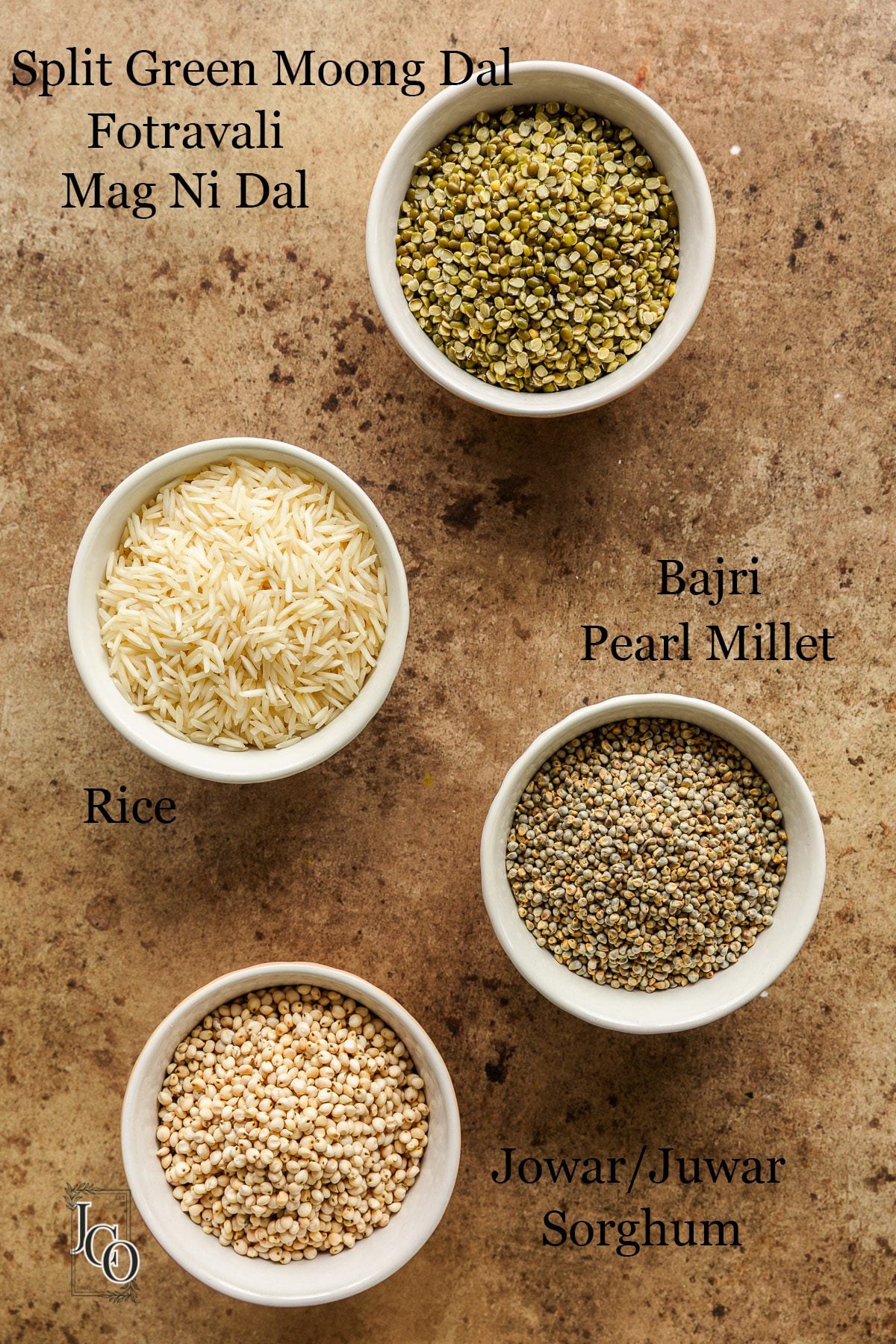
My Mum's version of bhaidku is made with coarsely broken whole grains - usually a mix of millet, jowar, mag ni dal and white rice. The texture is slightly chewy, nutty and rustic. She also adds vegetables and basic spices to make it a complete dish. It's a meal that the whole family looks forward to in the cold winter months.
She often adapts it to what's available, sometimes adding quinoa, steel-cut oats or pearl barley. By using coarse grains rather than a flour, the bhaidku has a delicious bite rather than become gluey or too smooth.
My grandma often made simple bhaidku for breakfast, simply made in a ghee vaghar.
The Recipe
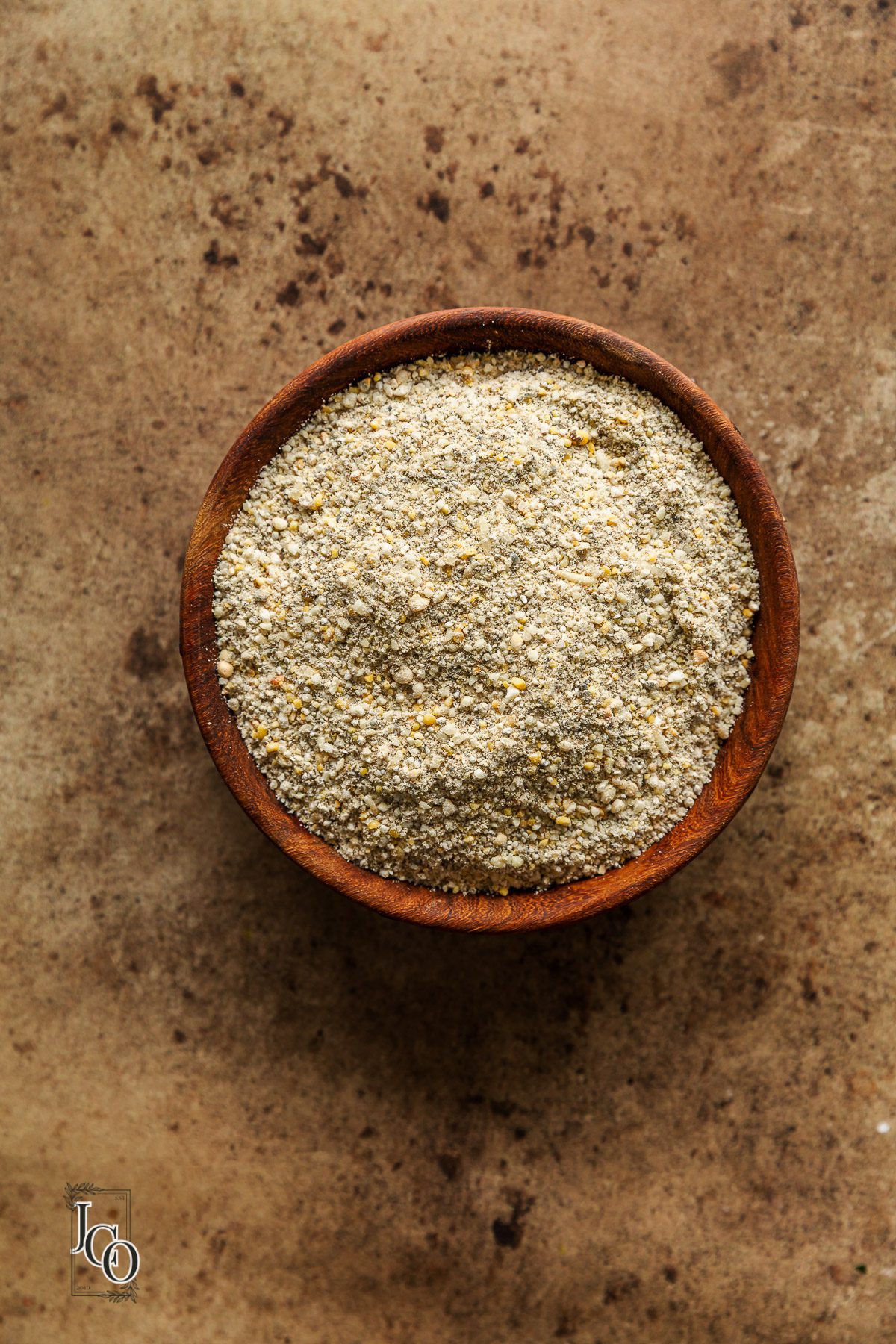
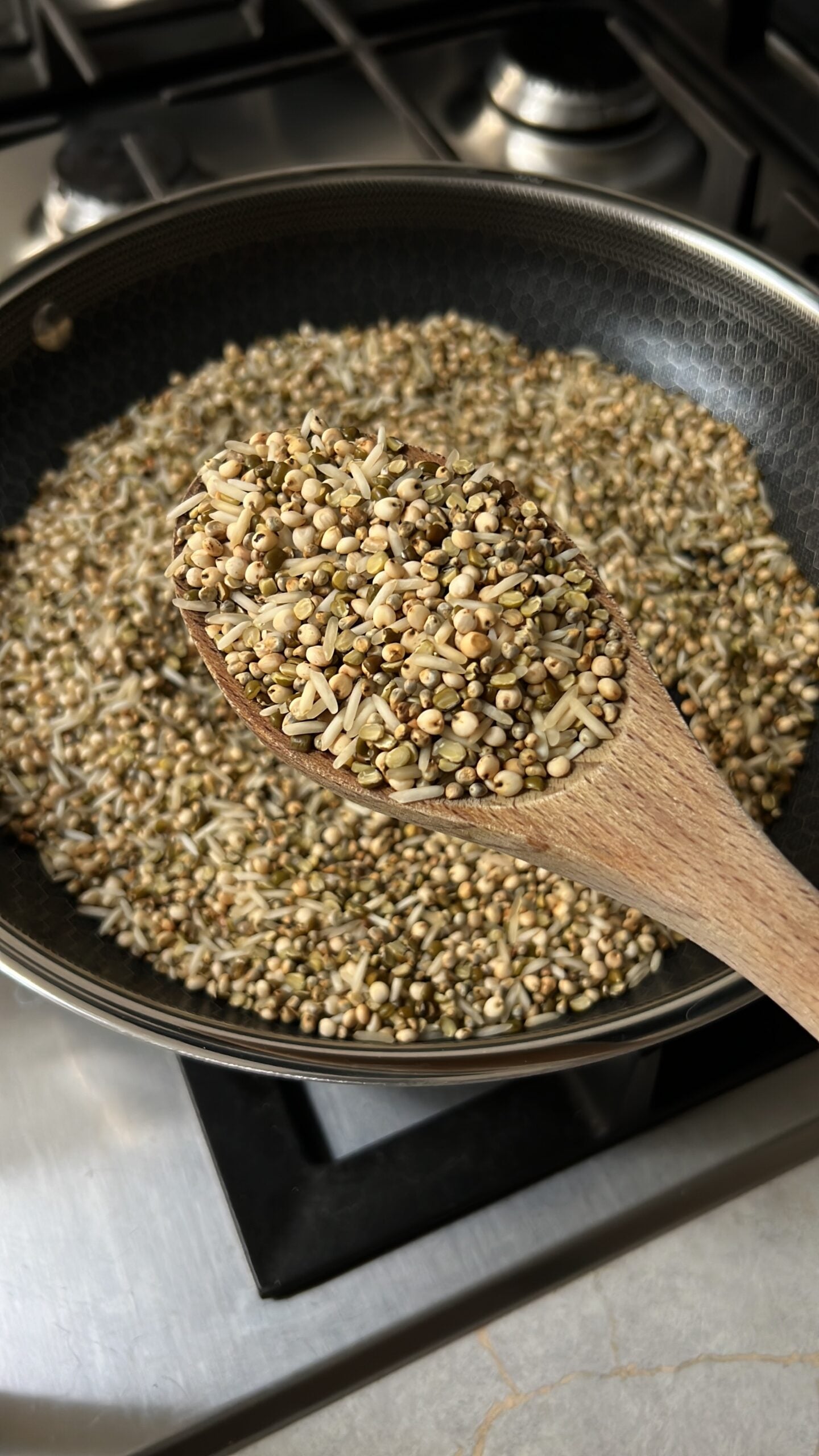
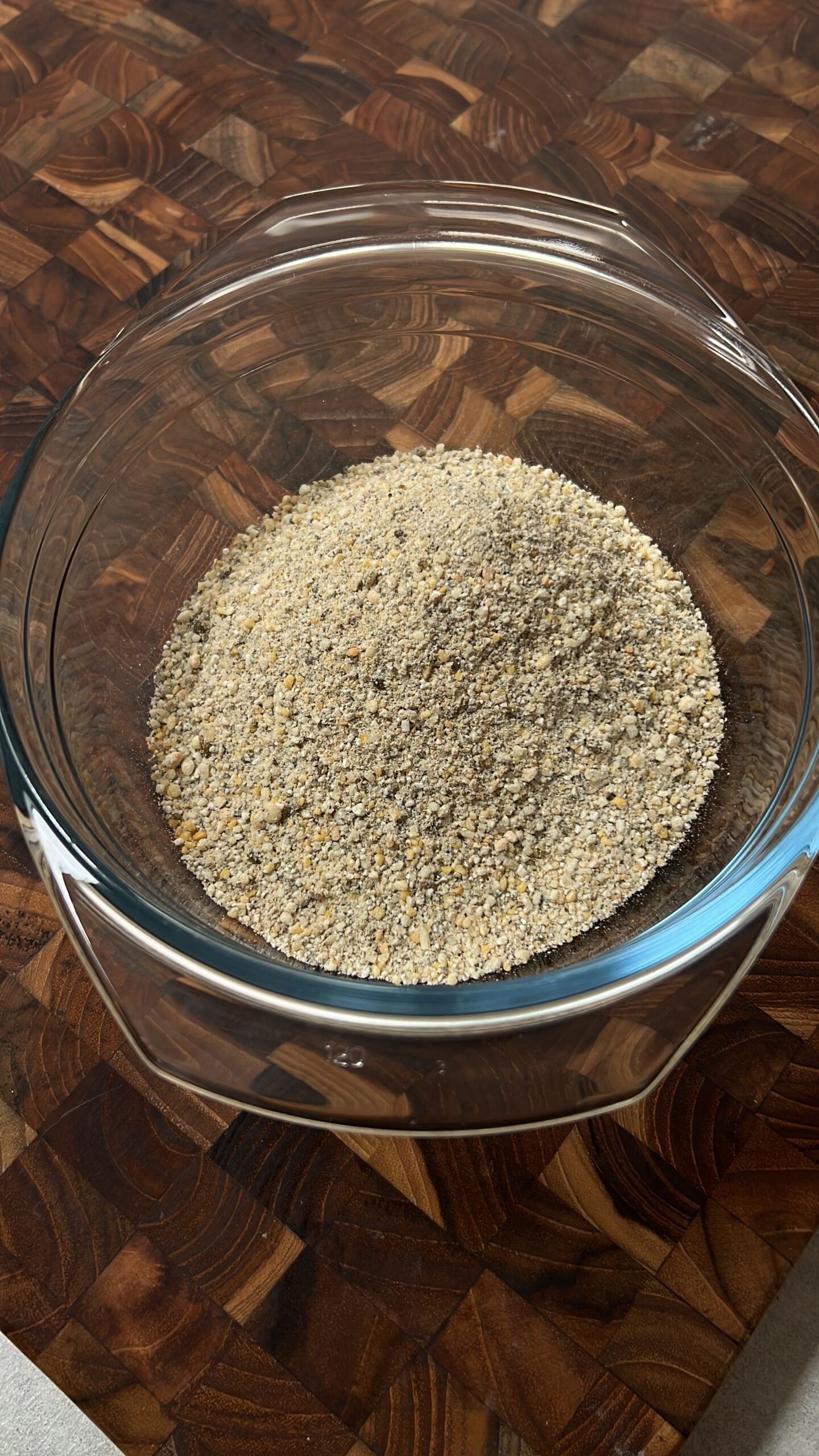
Bhaidku is prepared first by dry roasting the whole grains then coarsely grinding to a flour. This is the bhaidku pre-mix and can be stored away for later.
The mix is soaked in chaas or buttermilk whilst the tempering is prepared.
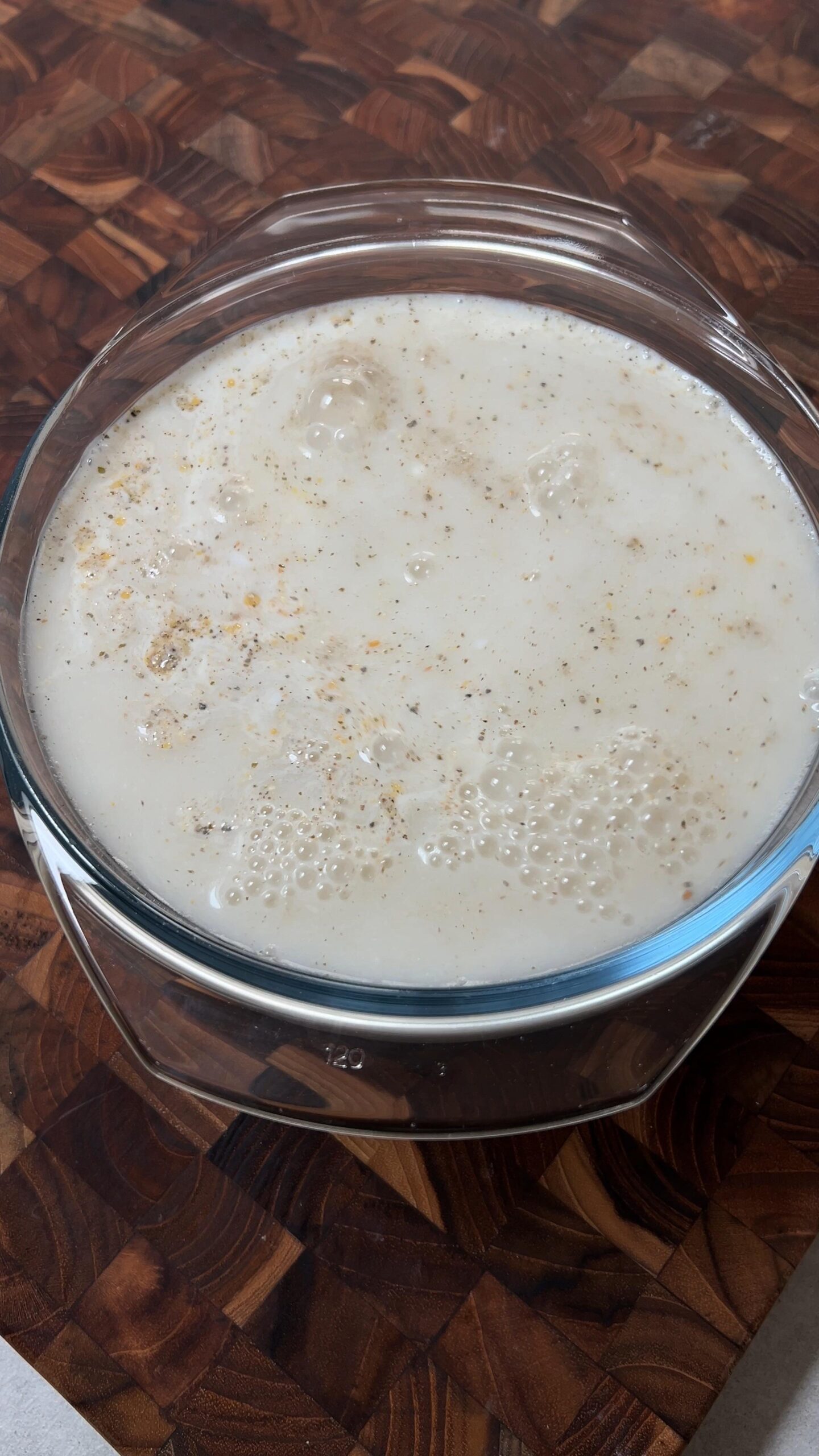
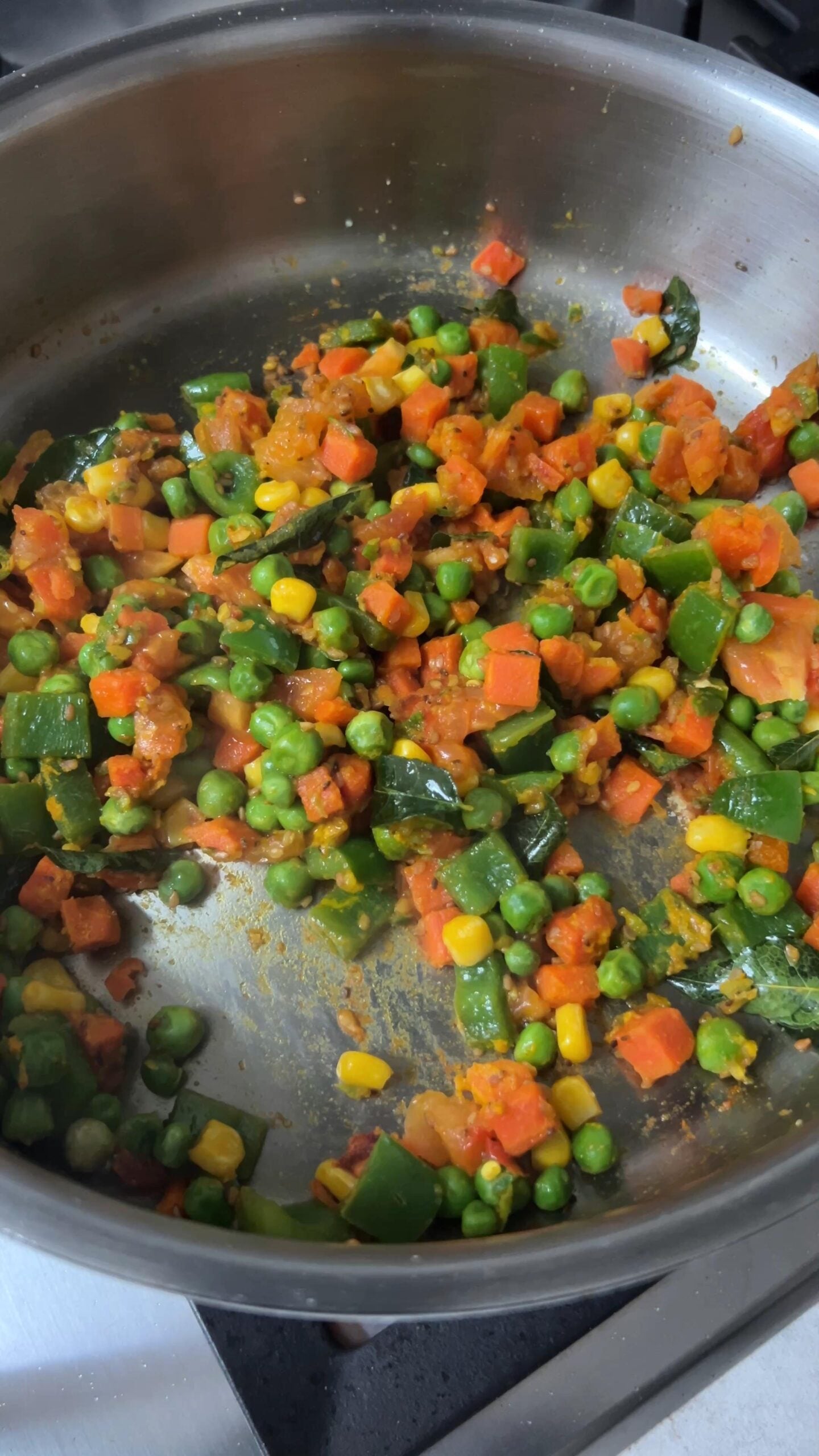
Ajwain seeds and sesame seeds are tempered in ghee/oil, then a medley of vegetables, green chillies and ginger are added. The soaked grains are poured in and the bhaidku is cooked until it reaches a porridge like consistency.

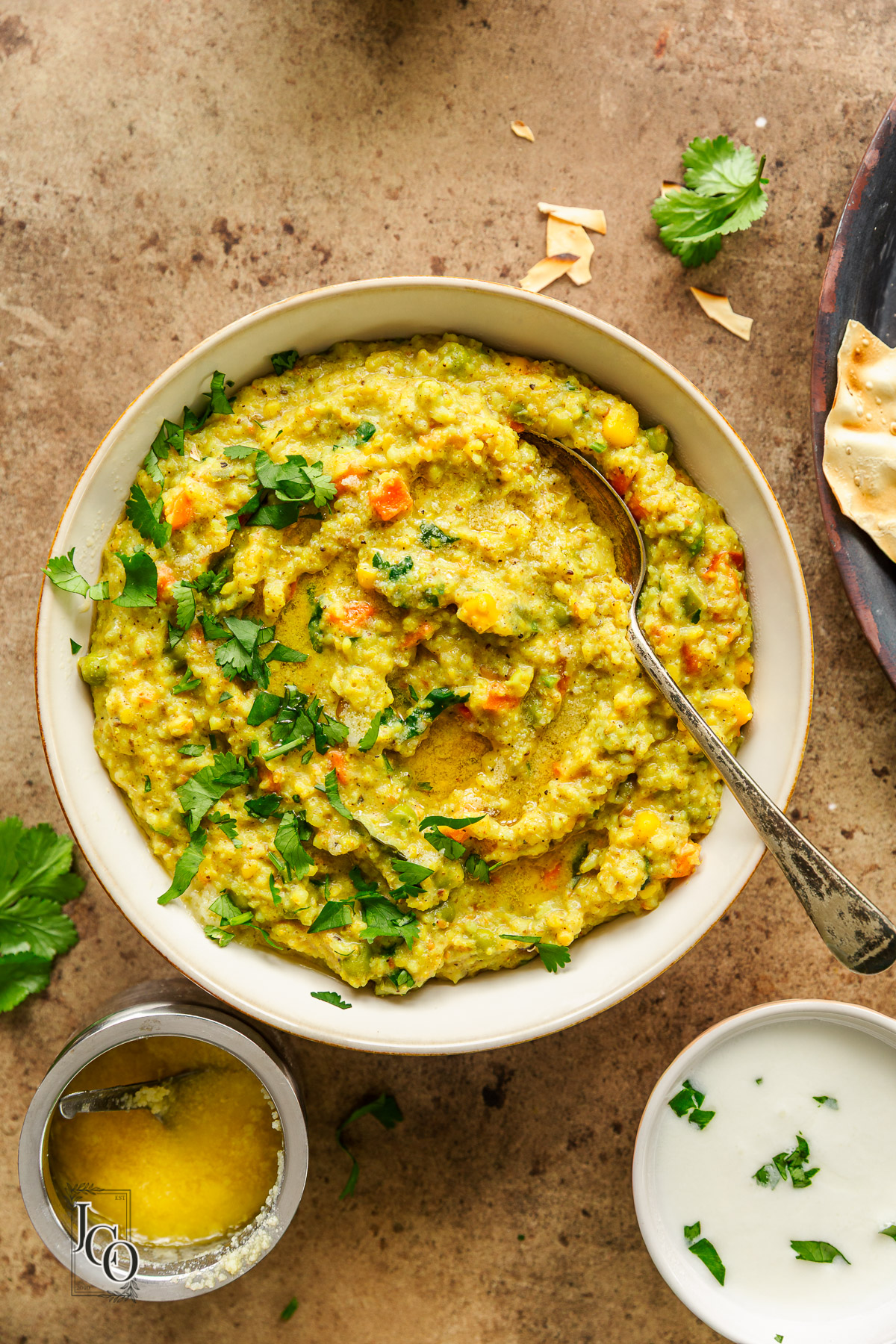
My favourite way to eat bhaidku is simply with yogurt - it's light and delicious! However it can be part of a traditional Gujarati thali for lunch or dinner alongside bajri na rotla that are soft and rustic, Gujarati kadhi to add tangy contrast.
Along with smoky baingan bharta, a spoonful of lasan ni chutney, and a crisp papad to bring a whole meal together.
A Few Traditional Tips Worth Knowing
These are small details that have been passed down through experience:
- Always dry roast the bhaidku mix on low heat, just until aromatic. Burning the outer layer affects both taste and digestibility.
- Soak the grains in water or chaas for at least 10–15 minutes (or longer, if time allows). This helps them cook evenly and makes the dish easier to digest.
- Traditionally, jowar (sorghum) is avoided when making bhaidku for new mothers.
As always if you make this recipe, be sure to leave me a comment, rate this recipe and tag me on Instagram @jcookingodyssey or #jcookingodyssey. I love seeing all your photos of my recipe recreations!
Don’t forget to follow me on social media using the buttons below – I can't wait to see you all there!
📖 Recipe

Bhaidku (Gujarati Multigrain Porridge)
Ingredients
Bhaidku Flour/Premix
- ¼ cup millet bajri
- ¼ cup shorghum jowar
- ¼ cup moong dal chilkawali
- ¼ cup rice
Bhaidku
- 1 cup bhaidku flour
- 1 cup chaas butter milk
- ¼ cup carrots
- ¼ cup green peas
- ¼ cup capsicum
- ¼ cup tomatoes chopped
- 2 teaspoon ghee or oil
- ½ teaspoon ajwain carom seeds
- ⅛ teaspoon hing
- 2-3 tablespoon ginger-green chilli minced
- ½ teaspoon turmeric powder
- ½ teaspoon red chilli powder
- salt to taste
- 1 tablespoon sesame seeds optional
- 1 sprig curry leaves optional
Garnish
- 2-3 tablespoon coriander
Instructions
Bhaidku Flour
- Take a heavy based frying pan or kadai, add ¼ cup shorghum and roast for a 3-4 minutes on low heat. Then add ¼ cup millet, and roast for 2-3 minutes.
- Then add ¼ cup moong dal and ¼ cup rice and roast everything around 6-8 minutes on low heat until fragrant and the grains change colour from light to little pinkish.
- Transfer into another plate and allow to cool down completely.
- Add in a grinder jar, and grind into coarse flour. Leave it aside for later use.
Bhaidku
- Mix 1 cup bhaidku flour, 1 cup chaas and 2 cups of water in a bowl, mix well and allow to soak for 15-20 minutes. The longer you soak, the less time taken to cook.
- Heat pan or kadai on medium heat, add 2 teaspoon ghee or oil. Once hot add ½ teaspoon ajwain and ⅛ teaspoon hing. Then add 1 tablespoon sesame seeds (if using).
- When the seeds crackles, add 1 sprig curry leaves and 2-3 tablespoon ginger-green chilli, ¼ cup carrots, ¼ cup green peas and ¼ cup capsicum. Stir well and allow vegetables to cook for 2-3 minutes. Then add ¼ cup tomatoes and ½ teaspoon turmeric powder and ½ teaspoon red chilli powder with a pinch of salt.
- Keep the flame low and allow the tomatoes to become a little mushy, then add soaked bhaidku mix and remaining salt to taste.
- Cook bhaidku on low heat, keep stirring occasionally to prevent sticking. If needed add more water and cook until all the grain are well cooked and almost double in size.
- Now, cover the pan with a lid and cook bhaidku for 2 minutes. mix well and further cook for 1 minute. Turn off the heat, sprinkle 2-3 tablespoon coriander and serve hot.
Video
Nutrition
PLEASE NOTE: Nutritional values are estimated by a computer and may vary based on ingredients and portion sizes. For personalised dietary advice, please consult a qualified healthcare professional.
Share on Facebook Pin This Recipe Share by Text


Hayley Dhanecha says
Every time I make bhaidku, I'm reminded why this traditional Gujarati porridge has stood the test of time. The combination of grains, lentils and vegetables creates such a comforting bowl, and it's one of those meals that feels like a warm hug.
hotpotcooking says
Healthy and lovely recipe
great-secret-of-life says
healthy and tasty recipe
Sutapa says
lovely healthy recipe.....love it....!
Simplyfood says
Interesting I have never heard of this recipe will book mark and try.Incidentally I love the pots infact I cant stop drooling over them.
Shobha says
Is this Bhaidku masala some special one from Gujarat ?
Unknown says
healthy one sis super snaps by the way